Classical
Synopsis
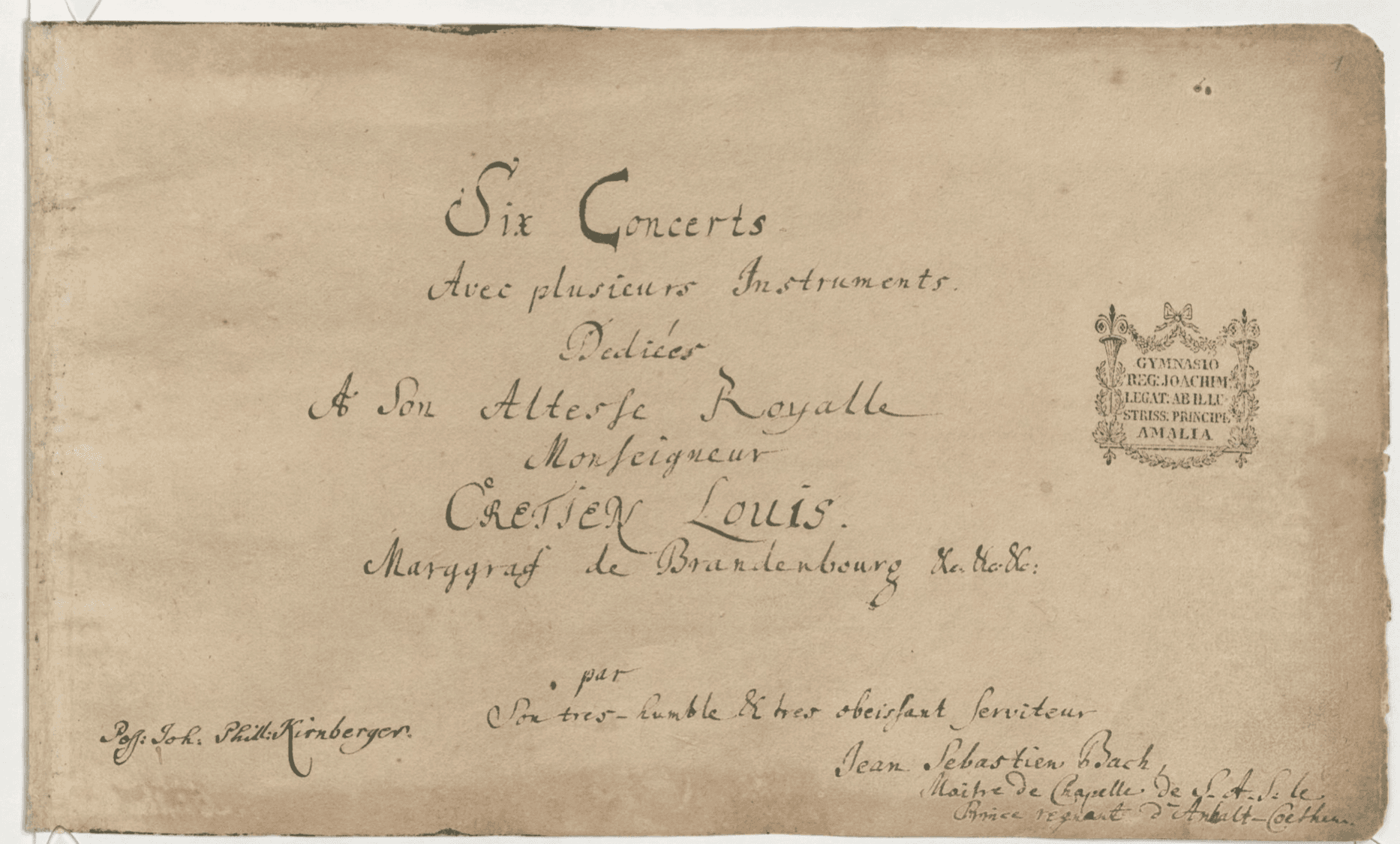
The Brandenburg Concertos represent a pinnacle of Baroque instrumental music, showcasing Bach's mastery of counterpoint and orchestral color. Comprising six concertos, each work explores different combinations of instruments and compositional techniques, from intimate chamber settings to fuller ensemble textures. These pieces demonstrate the concerto grosso form, alternating between a small group of soloists and the full ensemble, creating dynamic interplay and textural contrast. Bach employs intricate fugal passages, dance-like rhythms, and virtuosic writing that challenges both soloists and ensemble players. Originally compiled as a collection, likely intended as a demonstration of Bach's compositional versatility and instrumental knowledge, the concertos span multiple movements with varying tempos and moods. Each concerto maintains its own distinct character while adhering to the formal conventions of the period, making them essential works for understanding Baroque instrumental music.