Theatre
Synopsis
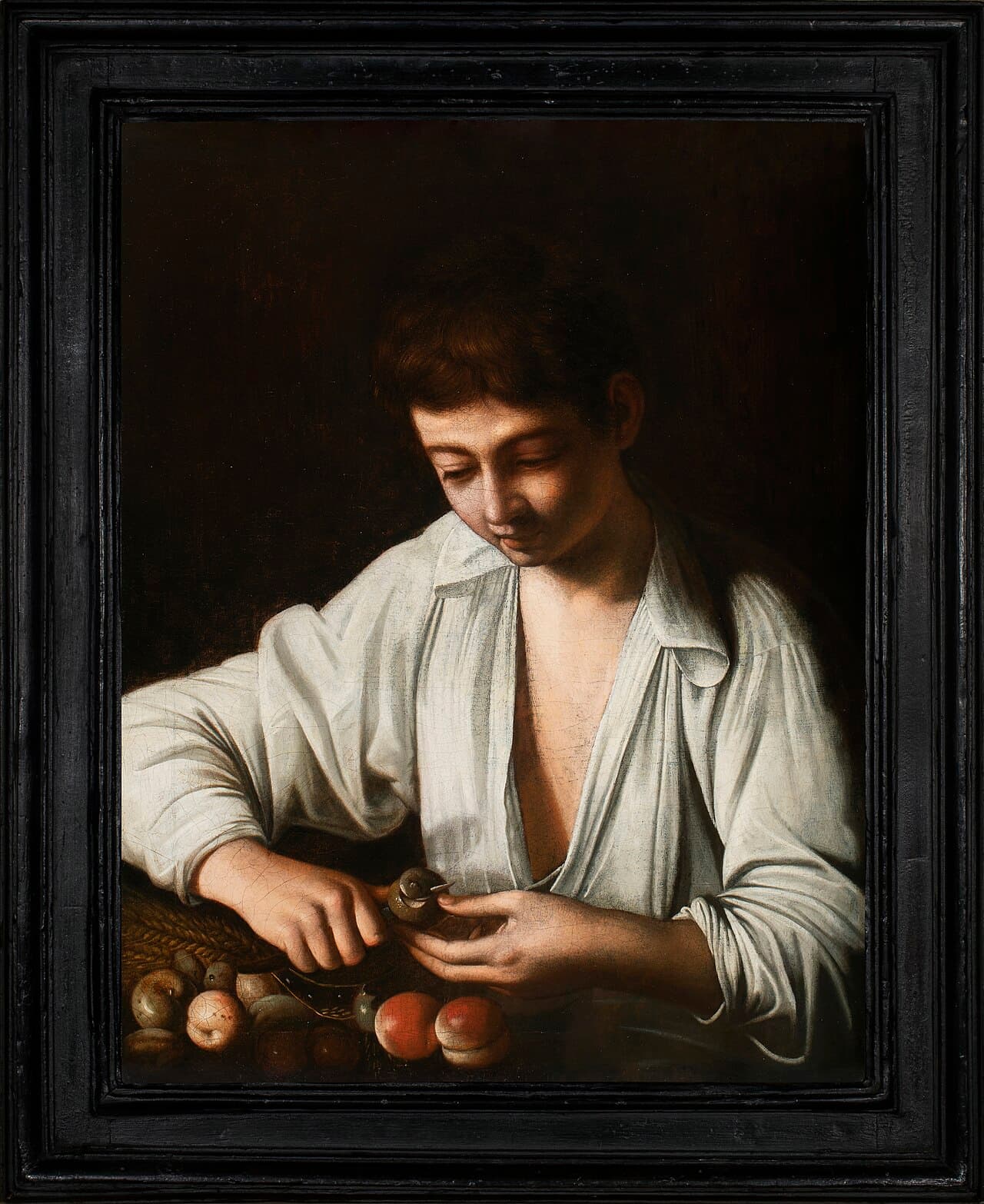
"Caravaggio" encompasses multiple theatrical interpretations of the tumultuous life of the revolutionary Baroque painter. The most documented version, a play by Richard Vetere, premiered in 2006 and traces Caravaggio's violent trajectory through early 17th-century Rome, Malta, and Naples. After killing a man in a brutal brawl, the brilliant but volatile artist flees Rome with his patron Cardinal Del Monte's assistance, seeking refuge on Malta where he paints for the Grand Master of the Knights. Discovered and tortured for his perceived heresy, Caravaggio escapes again to Naples, where he finds shelter with his artistic rival Annibale Carracci. Throughout his exile and suffering, the painter undergoes a spiritual and artistic transformation, channeling his torment into the revolutionary chiaroscuro techniques that define Baroque art. The narrative explores the collision between artistic genius and moral transgression, examining how faith, desire, violence, and creative vision intersect in the life of a man perpetually at odds with authority and convention.