ClassicalPremiered 1911
Synopsis
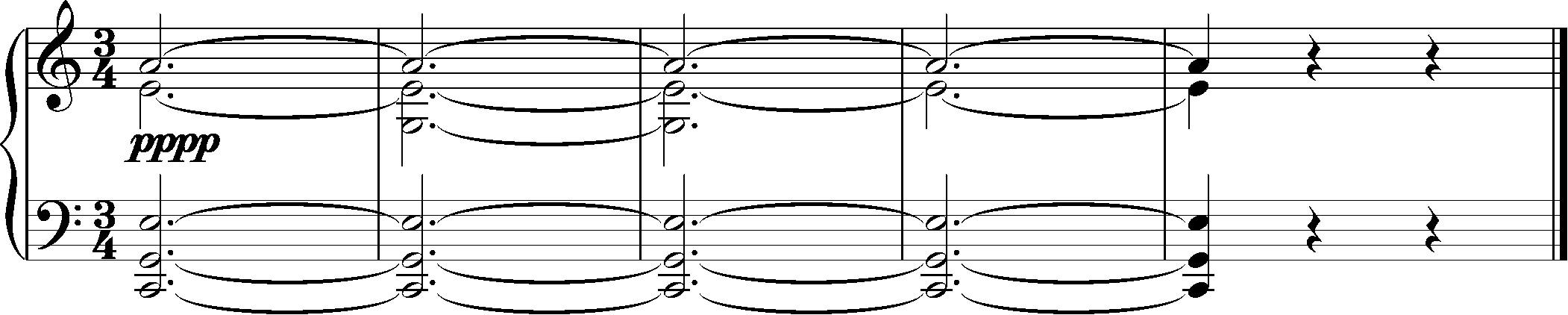
Das Lied von der Erde stands as Gustav Mahler's final orchestral work, a profound meditation on mortality, transience, and the human condition set to texts drawn from Chinese poetry in German translation. The symphony-song cycle weaves together six movements that alternate between tenor and alto soloists, exploring themes of earthly beauty, the passage of time, and the inevitability of death. The work moves from the intoxicating pleasures of wine and friendship through melancholic reflections on autumn and separation, culminating in the haunting final movement, 'Der Abschied' (The Farewell), where the alto voice fades into an ethereal, unresolved conclusion. Mahler's orchestration is luminous and delicate, employing exotic instrumental colors and harmonic ambiguity to evoke both the distant world of ancient China and the composer's own spiritual questioning. The work represents a bridge between his symphonic tradition and a more intimate, song-based aesthetic.