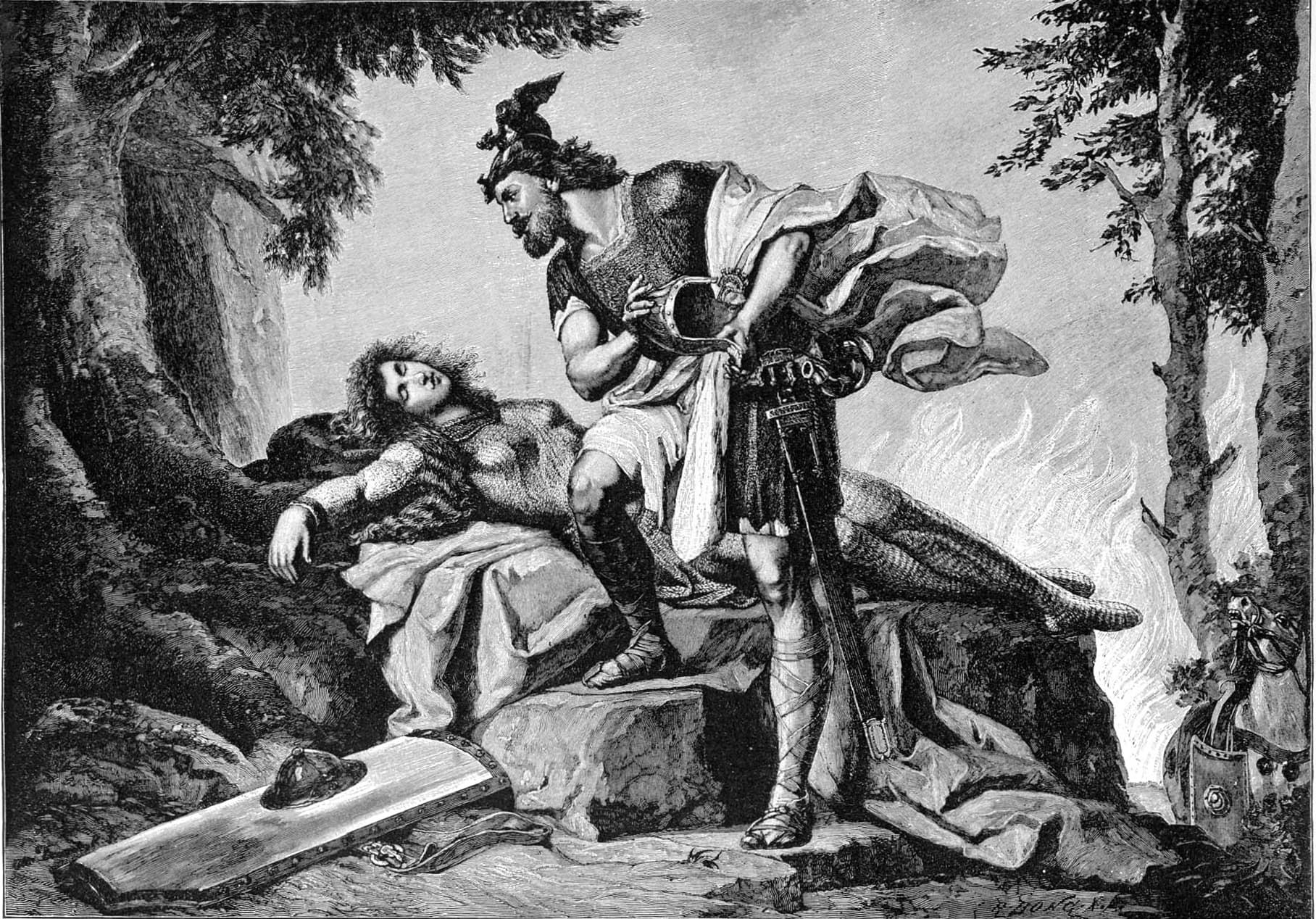
Richard Wagner's Der Ring des Nibelungen stands as perhaps the most ambitious operatic undertaking in Western art history—a four-evening cycle that fundamentally transformed what music drama could accomplish. Premiered at the Bayreuth Festival Theatre in August 1876, the tetralogy (Das Rheingold, Die Walküre, Siegfried, and Götterdämmerung) traces the theft of a magical ring forged from Rhine gold through its catastrophic consequences for gods, giants, heroes, and mortals alike. Wagner's synthesis of Germanic heroic legend, Norse sagas, and the medieval Nibelungenlied creates a mythological framework for exploring power, greed, love, betrayal, and redemption—themes that resonate across centuries. The work's revolutionary orchestration, employing nearly 100 players including Wagner tubas, contrabass trombones, and 18 precisely-tuned anvils, remains technically demanding and sonically distinctive. Nearly 150 years after its premiere, the Ring cycle continues to define the outer limits of operatic ambition and remains a touchstone for both traditionalist and radically revisionist interpretations.
Wagner's monumental four-opera cycle follows the struggle for a powerful ring forged from Rhine gold, interweaving the fates of gods, heroes, and mortals. From the theft of the gold through Siegfried's heroic quest to the twilight of the gods, it explores themes of power, love, betrayal, and redemption on a cosmic scale.