ClassicalPremiered 1951
Synopsis
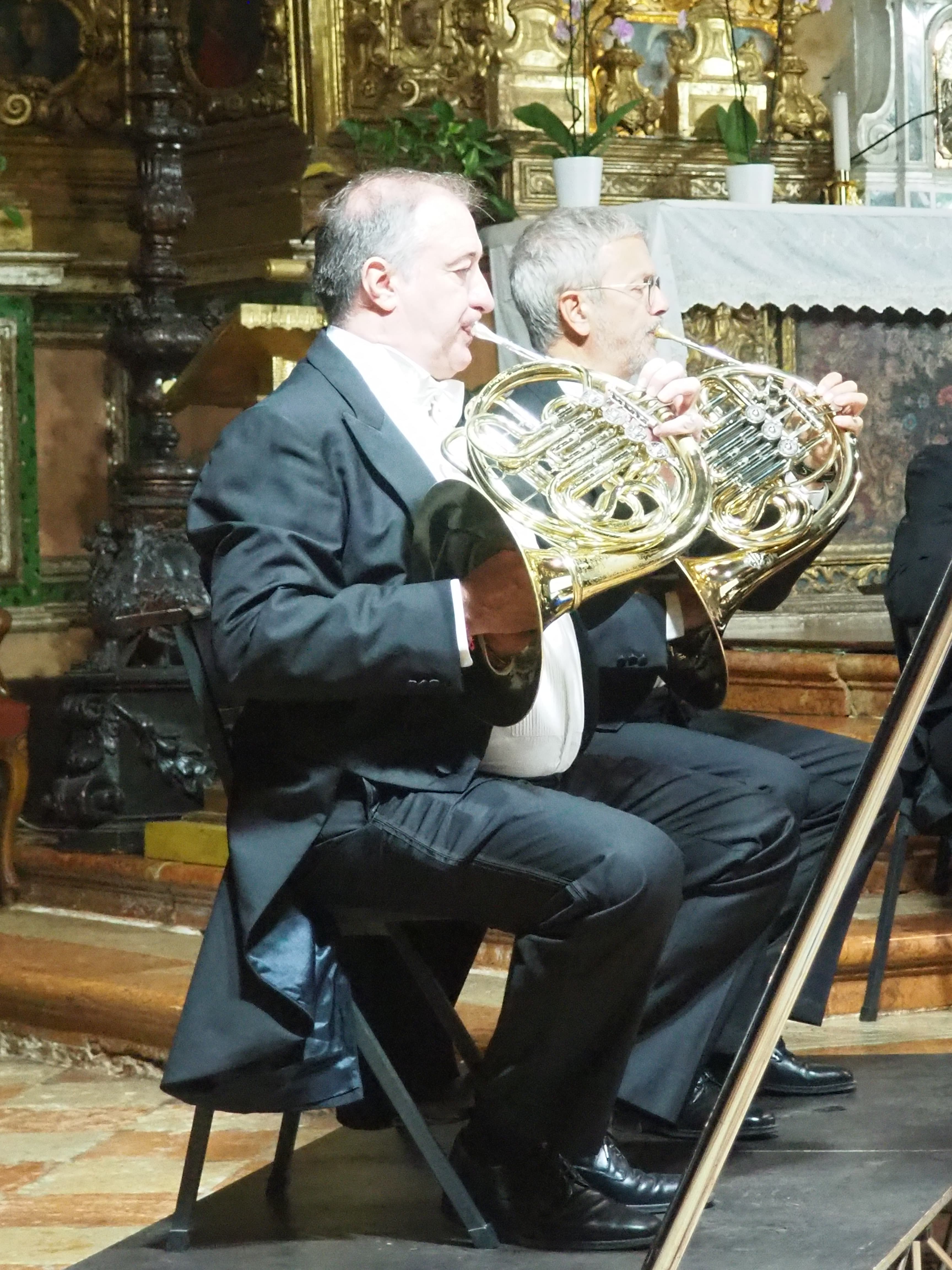
Reinhold Glière's Horn Concerto stands as a cornerstone of the romantic horn repertoire, showcasing the instrument's lyrical and virtuosic capabilities in equal measure. Composed in the early twentieth century, this single-movement work balances classical concerto form with the expansive harmonic language of late romanticism. The horn emerges as a singing voice, poised against orchestral accompaniment that ranges from intimate to brilliantly full. Glière crafts a narrative arc that begins with a warm, cantabile theme, building through passages of increasing technical display before returning to the work's noble melodic core. The concerto exploits the horn's full range and tonal palette, requiring both lyrical phrasing and secure command of rapid figurations. Rather than adhering to strict sonata structure, the work unfolds as a series of interconnected episodes that allow for both intimate reflection and dramatic climax. Today, performers and audiences prize the concerto for its accessibility without sacrifice of depth—a quality that has secured its place in concert halls and recitals worldwide. The work remains an essential vehicle for horn soloists seeking to balance romance and virtuosity.