ClassicalPremiered 1905
Synopsis
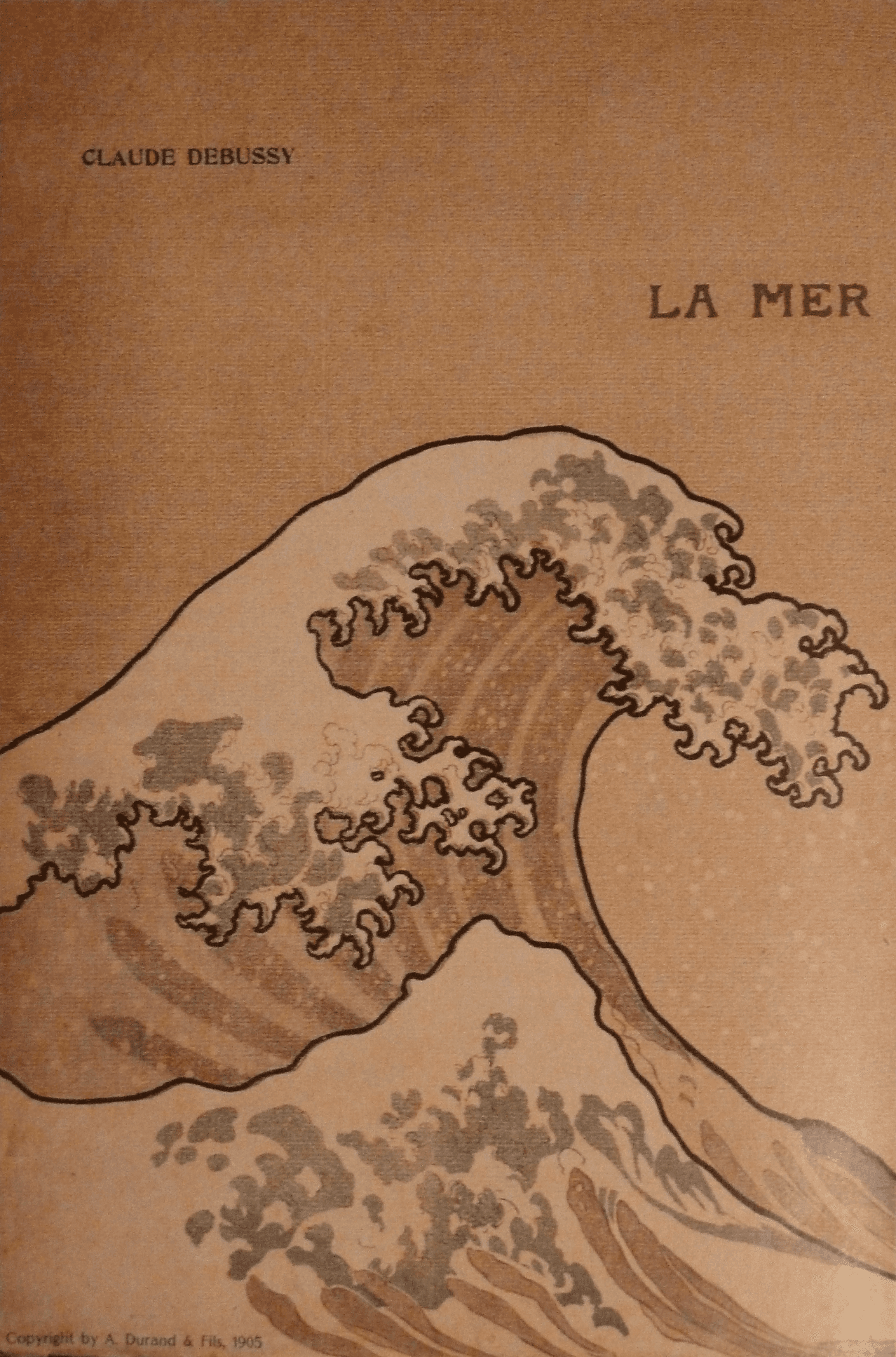
La Mer stands as one of Debussy's most celebrated orchestral achievements, a triptych of symphonic sketches that captures the sea's multifaceted character through pure musical impressionism. The first movement, "De l'aube à midi sur la mer," traces the ocean's awakening from dawn's mysterious stillness to the brilliant intensity of midday sun, with orchestral forces gradually building from delicate textures to radiant climax. The second movement, "Jeux de vagues," dances with playful vitality, its fluid and intricate orchestration evoking the capricious motion of waves in sunlight—a symphonic scherzo of shimmering color and rhythmic grace. The final movement, "Dialogue du vent et de la mer," unleashes dramatic power as wind and water engage in turbulent dialogue, sweeping themes and forceful orchestral surges culminating in a majestic affirmation of the sea's primal strength. Rather than narrative or literal depiction, Debussy employs harmonic innovation and timbral subtlety to evoke atmosphere, emotion, and the ineffable qualities of nature. Inspired by childhood memories of the Mediterranean at Cannes, Japanese prints, and Turner's seascapes, La Mer transcends programmatic music to achieve a profound synthesis of sound and sensation.