ClassicalPremiered 1912
Synopsis
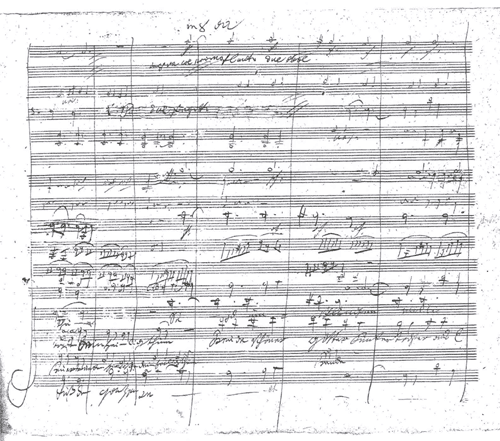
Mahler's Symphony No. 9 stands as one of the composer's most introspective and valedictory works, a profound meditation on mortality and acceptance. Composed between 1909 and 1910, this four-movement symphony eschews the triumphant finales of earlier symphonies in favor of a gentle, resigned conclusion. The opening movement unfolds with lyrical themes tinged with melancholy, establishing a reflective character that permeates the work. The second movement offers moments of energetic dance-like material, yet these seem haunted by undercurrents of anxiety. A scherzo follows with characteristic Mahlerian grotesquerie and rhythmic vitality, providing textural contrast. The final movement, marked by its subdued orchestration and descending harmonic progressions, presents a valedictory farewell—gradually fading rather than concluding decisively. Throughout, Mahler employs soaring melodies, intricate counterpoint, and delicate instrumental colors that create an atmosphere of spiritual contemplation. The symphony demonstrates the composer's mastery of orchestration while revealing his deepest philosophical concerns about human existence, mortality, and the acceptance of life's inevitable transformations. It represents a pinnacle of late-Romantic symphonic art.