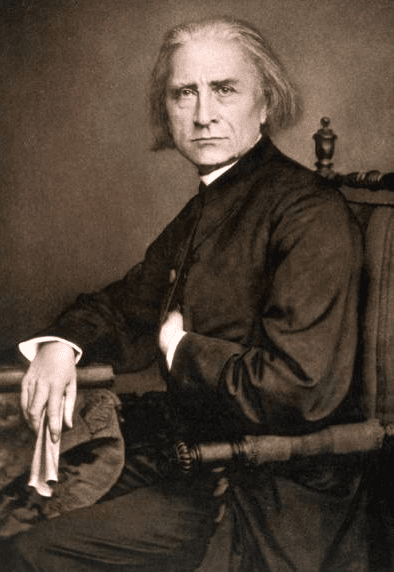
ClassicalPremiered 1855
Synopsis
Liszt's Piano Concerto No. 1 in E-flat major stands as a virtuosic showcase for the instrument and its soloist. The work exemplifies the composer's revolutionary approach to concerto form, abandoning traditional multi-movement structure in favor of a unified, cyclical design that flows seamlessly across its sections. The piece opens with a dramatic orchestral introduction featuring prominent brass and timpani, establishing a heroic, Romantic aesthetic. The piano enters with cascading passages of technical brilliance, engaging in dynamic dialogue with the orchestra. Thematic material develops through transformation and recombination rather than conventional development, reflecting Liszt's innovative compositional philosophy. The concerto showcases the full range of pianistic technique—from delicate, lyrical passages to thunderous octave passages and rapid scalar runs. A memorable section features the triangle, an unusual orchestral choice that became one of the work's most distinctive features. The concerto builds toward a triumphant conclusion, celebrating both the virtuosity of the soloist and the symphonic integration of piano and orchestra.
Available in Concert
This work appears as part of a multi-work programme in the following concerts.
CHcarnegie hall plus2020
Subscription
Salzburg Festival: Dudamel and Kissin · Gustavo Dudamel
Programme
Igor Stravinsky — The Firebird
Franz Liszt — Piano Concerto No. 1