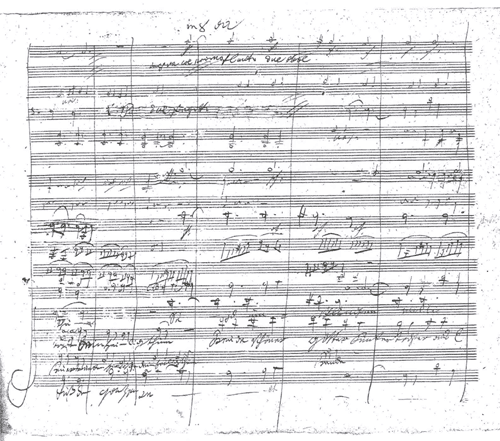
ClassicalPremiered 1839
Synopsis
Schubert's Symphony No. 9 in C major stands as one of the cornerstones of the Romantic symphonic tradition, showcasing the composer's mature orchestral mastery and lyrical gift. The work unfolds across four movements of sweeping grandeur and intimate beauty: an expansive Allegro vivace with noble, song-like themes; a gentle Andante that deepens emotional reflection; a graceful Minuet with elegant orchestration; and a robust Allegro vivacissimo finale that propels the work toward triumphant conclusion. Throughout, Schubert balances Classical structural clarity with Romantic warmth, favoring broad, singing melodies over dramatic conflict. The symphony's harmonic language is both sophisticated and accessible, moving fluidly between major and minor tonalities while maintaining the work's prevailing sense of optimism and lyricism. Its premiere revealed a composition of unprecedented scale and ambition for Schubert, establishing him as a symphonist of the first rank. The work remains central to the orchestral repertoire, prized for its combination of structural integrity, melodic richness, and the deeply human expressivity that defines Schubert's mature style.