ClassicalPremiered 1876
Synopsis
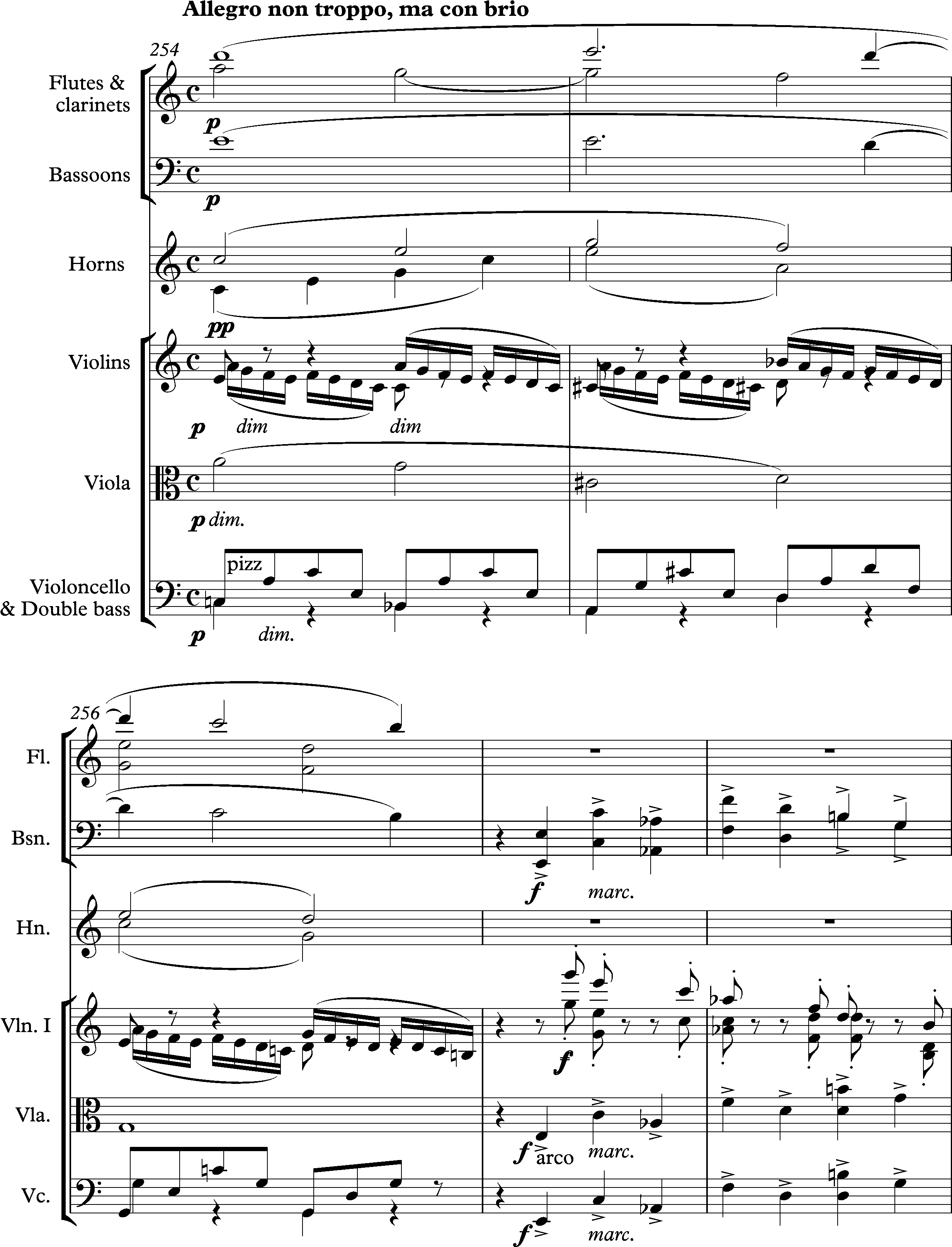
Brahms' Symphony No. 1 in C minor stands as a monumental achievement in the Austro-German symphonic tradition, representing the composer's profound engagement with Beethoven's legacy. The work unfolds across four movements, beginning with a dramatic and agitated first movement that establishes the symphony's emotional trajectory. The intimate middle movements offer moments of lyrical introspection, featuring delicate woodwind and violin solos that provide respite from the opening's turbulence. The finale emerges triumphantly, transitioning from darkness into radiant light—a progression that echoes Beethoven's heroic symphonies and culminates in an exultant major key resolution. The main theme of the finale bears a striking resemblance to Beethoven's "Ode to Joy," a similarity Brahms acknowledged with characteristic self-deprecation. Completed after more than two decades of careful composition and revision, the symphony synthesizes centuries of symphonic development while establishing Brahms' distinctive voice. Its thematic unity, emotional depth, and architectural mastery have secured its place among the greatest symphonies ever written.