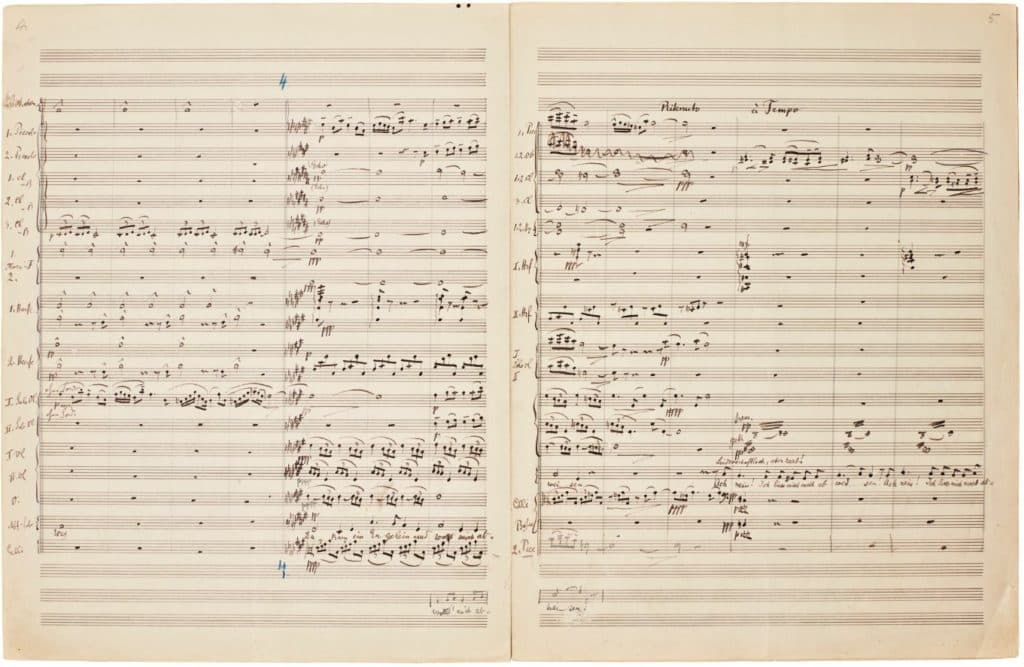
ClassicalPremiered 1877
Synopsis
Brahms' Symphony No. 2 in D major stands as one of the composer's most genial and warmly lyrical orchestral works, often compared to Beethoven's Pastoral Symphony for its evocation of nature and serenity. Composed during the summer of 1877 in the picturesque Austrian lakeside village of Pörtschach am Wörthersee, the four-movement work unfolds with a deceptively sunny disposition. Yet beneath its serene surface lies considerable emotional depth and complexity. A three-note motif introduced by cellos and basses in the opening Allegro non troppo serves as a thematic seed that germinates throughout the entire symphony. The Adagio non troppo offers introspective beauty, while the graceful Allegretto grazioso provides a scherzo-like interlude. The finale returns to D major with spirited affirmation. Throughout, darker minor-key inflections, rumbling timpani, and the gloomy tones of trombones provide subtle contrast to the work's prevailing warmth, creating a symphony of remarkable balance between optimism and introspection.