ClassicalPremiered 1803
Synopsis
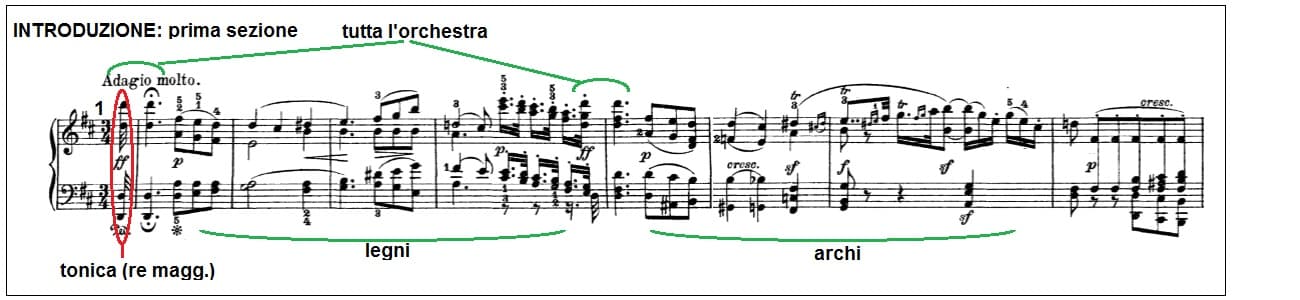
Beethoven's Second Symphony represents a pivotal moment in the composer's artistic development, marking his transition from Classical restraint toward the expansive Romantic idiom that would define his mature works. Composed during a period of personal struggle—the composer grappling with the early onset of deafness—the work paradoxically radiates optimism and vitality. The symphony unfolds across four movements of increasing dramatic weight, beginning with a spirited Allegro that establishes themes of rhythmic vigor and harmonic exploration. The Larghetto offers lyrical respite, showcasing Beethoven's gift for sustained melodic beauty, while the Scherzo injects playful energy and orchestral color. The finale builds to a triumphant conclusion, synthesizing the work's thematic material into a statement of affirmation. Throughout, Beethoven expands the orchestra's expressive range and structural possibilities, presaging the revolutionary symphonies to follow.