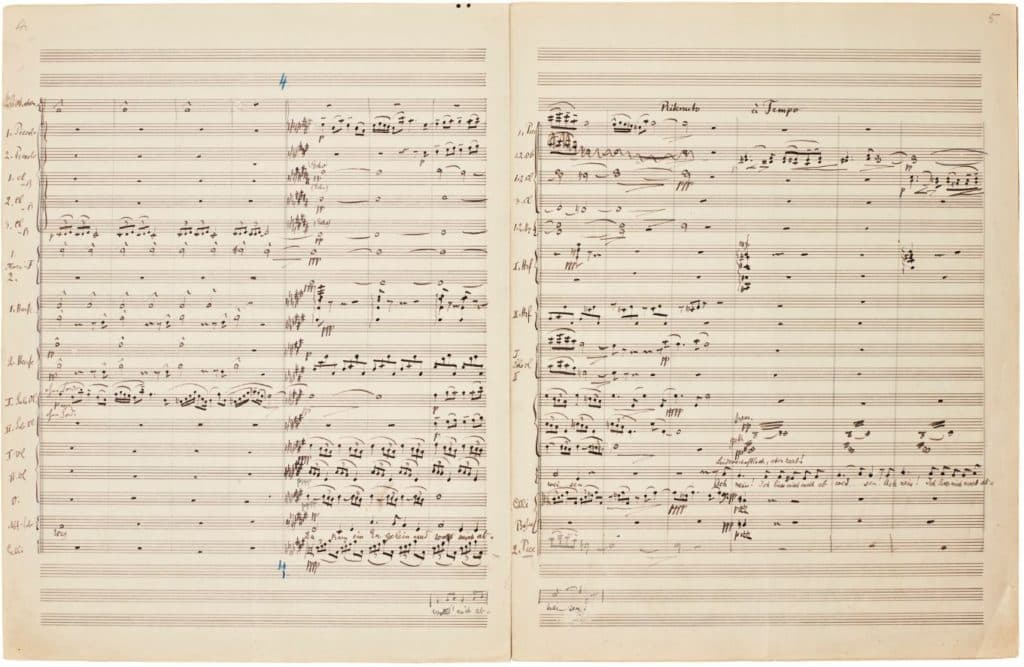
ClassicalPremiered 1846
Synopsis
Schumann's Second Symphony stands as a profound musical autobiography, composed during a period of intense personal struggle with depression and ill health. The work unfolds across four movements in the traditional symphonic form, charting a trajectory from darkness and inner turmoil toward affirmation and triumph. The opening Sostenuto assai—Allegro establishes a contemplative, searching quality before building toward passionate expression. The Scherzo brings rhythmic vitality and lighter textures, while the Adagio espressivo offers profound introspection and emotional depth. The finale returns with renewed vigor and confidence, culminating in a triumphant resolution that suggests victory over adversity. Throughout the work, Schumann weaves intricate contrapuntal textures influenced by his deep study of Bach, embedding subtle musical ciphers and quotations—including the B-A-C-H motif—that create layers of meaning. The symphony demonstrates Schumann's mature compositional voice, balancing Beethovenian heroism with intimate psychological exploration, ultimately affirming human resilience in the face of life's challenges.