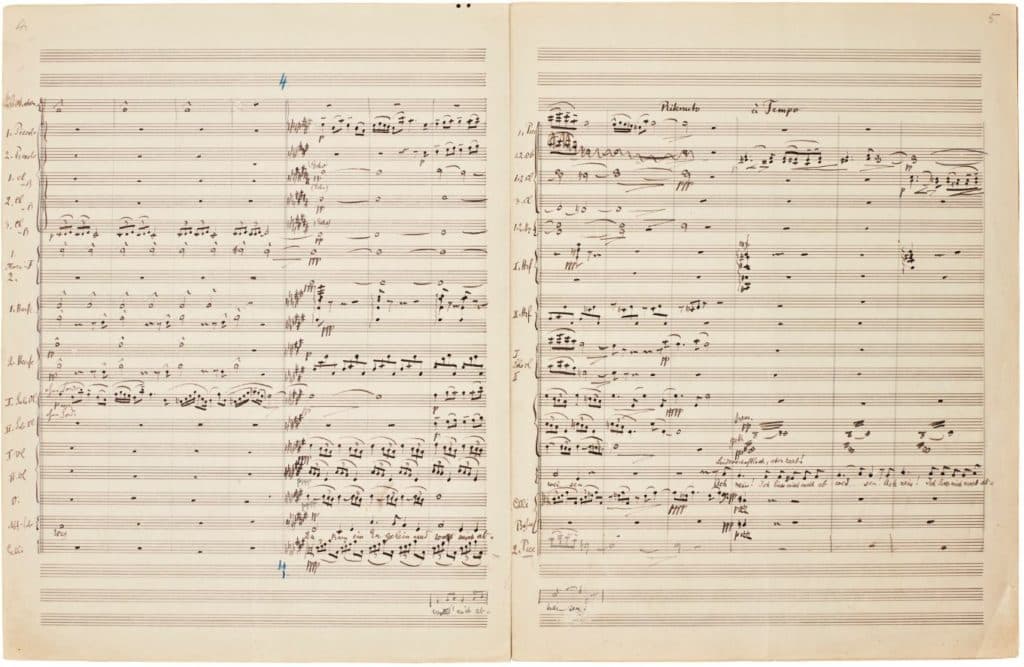
ClassicalPremiered 1895
Synopsis
Mahler's Second Symphony, known as the Resurrection Symphony, stands as one of the most ambitious and spiritually profound works of the late nineteenth century. Spanning five movements and nearly ninety minutes, the symphony traces an emotional and philosophical journey from darkness toward transcendence. The opening movement presents turbulent, searching material that establishes a sense of existential struggle. Subsequent movements explore contrasting emotional landscapes—from the intimate and dance-like to the introspective and elegiac. The work culminates in a monumental final movement that incorporates the choral finale to Klopstock's "Resurrection" ode, introducing soloists and chorus to proclaim themes of redemption, renewal, and spiritual awakening. The symphony's integration of orchestral and vocal forces was revolutionary for its time, creating a synthesis that moves beyond pure instrumental abstraction toward explicit philosophical and religious meaning.