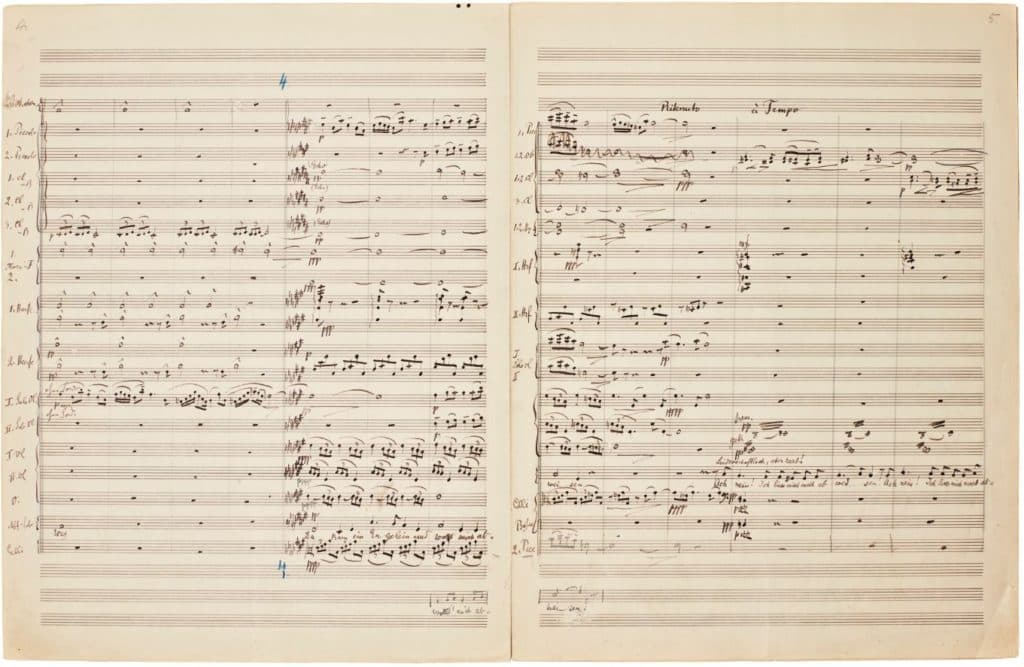
ClassicalPremiered 1902
Synopsis
Sibelius's Symphony No. 2 in D major stands as one of the composer's most celebrated and frequently performed orchestral works. Composed during a period of artistic maturity, the symphony unfolds across four movements in the classical tradition, yet infused with the distinctive Nordic sensibility and orchestral color that characterize Sibelius's mature style. The work opens with a lyrical, songlike theme that establishes the symphony's introspective character before building toward moments of dramatic intensity. The second movement provides contrast through its darker, more introspective material, while the third movement offers a scherzo-like interlude. The finale brings the work to a triumphant conclusion, synthesizing thematic material from earlier movements into a powerful affirmation. The symphony demonstrates Sibelius's mastery of orchestration and his ability to create large-scale formal structures that feel both inevitable and emotionally resonant.