Classical
Synopsis
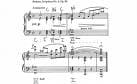
Brahms's Third Symphony stands as a masterwork of the symphonic tradition, balancing classical architecture with romantic expression. Composed in 1883, the work unfolds across four movements, each exploring contrasting emotional territories. The opening movement establishes a heroic, searching character with its distinctive motto theme, while the second movement offers lyrical respite through gentle, songlike passages. The scherzo brings rhythmic vitality and structural ingenuity, and the finale provides both resolution and philosophical depth, concluding with a sense of acceptance rather than triumph. Throughout the symphony, Brahms demonstrates his characteristic integration of folk-like melodies with sophisticated harmonic language, creating a work that speaks to both intimate and universal human experience.