ClassicalPremiered 1805
Synopsis
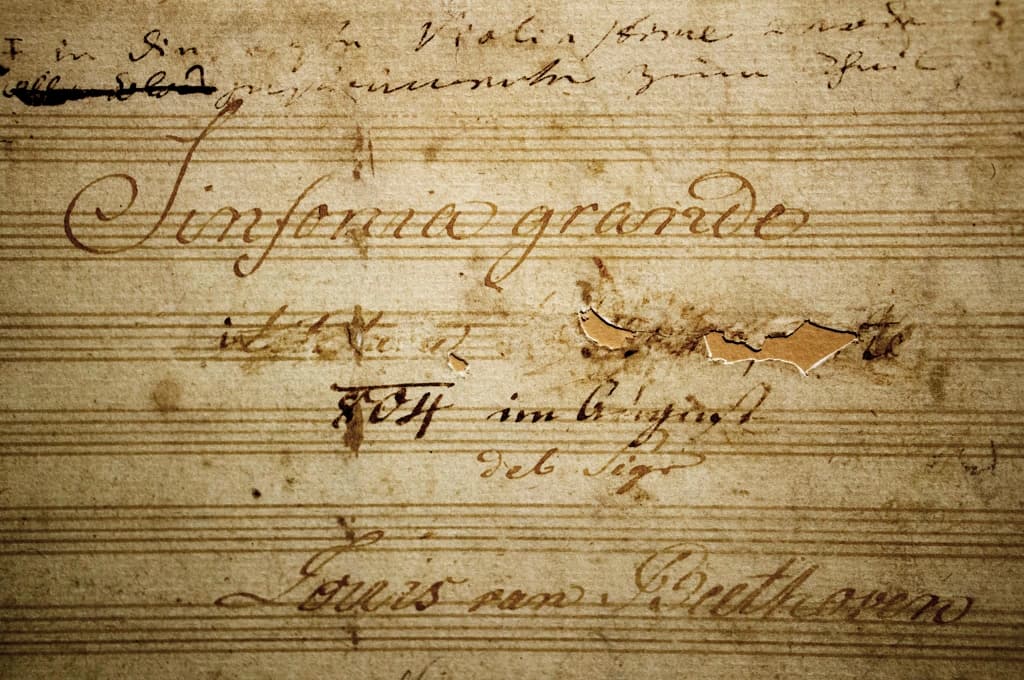
Beethoven's Symphony No. 3 in E-flat major, subtitled 'Eroica,' marks a watershed moment in symphonic history. Composed during the composer's heroic period, this monumental work abandons the classical restraint of his predecessors in favor of unprecedented scale, emotional intensity, and structural innovation. The symphony unfolds across four movements of extraordinary ambition: a stormy Allegro con brio that introduces bold, angular themes; a funeral march of profound dignity and pathos; a scherzo of rhythmic vitality and humor; and a finale built on variations of a simple theme that gradually accumulates power and complexity. Originally conceived as a tribute to Napoleon Bonaparte, Beethoven famously scratched out the dedication upon learning of Napoleon's imperial coronation, redirecting the work's heroic aspirations toward universal human struggle and triumph. The 'Eroica' expands the symphony's expressive range and formal possibilities, establishing new standards for the genre that would influence composers for generations.