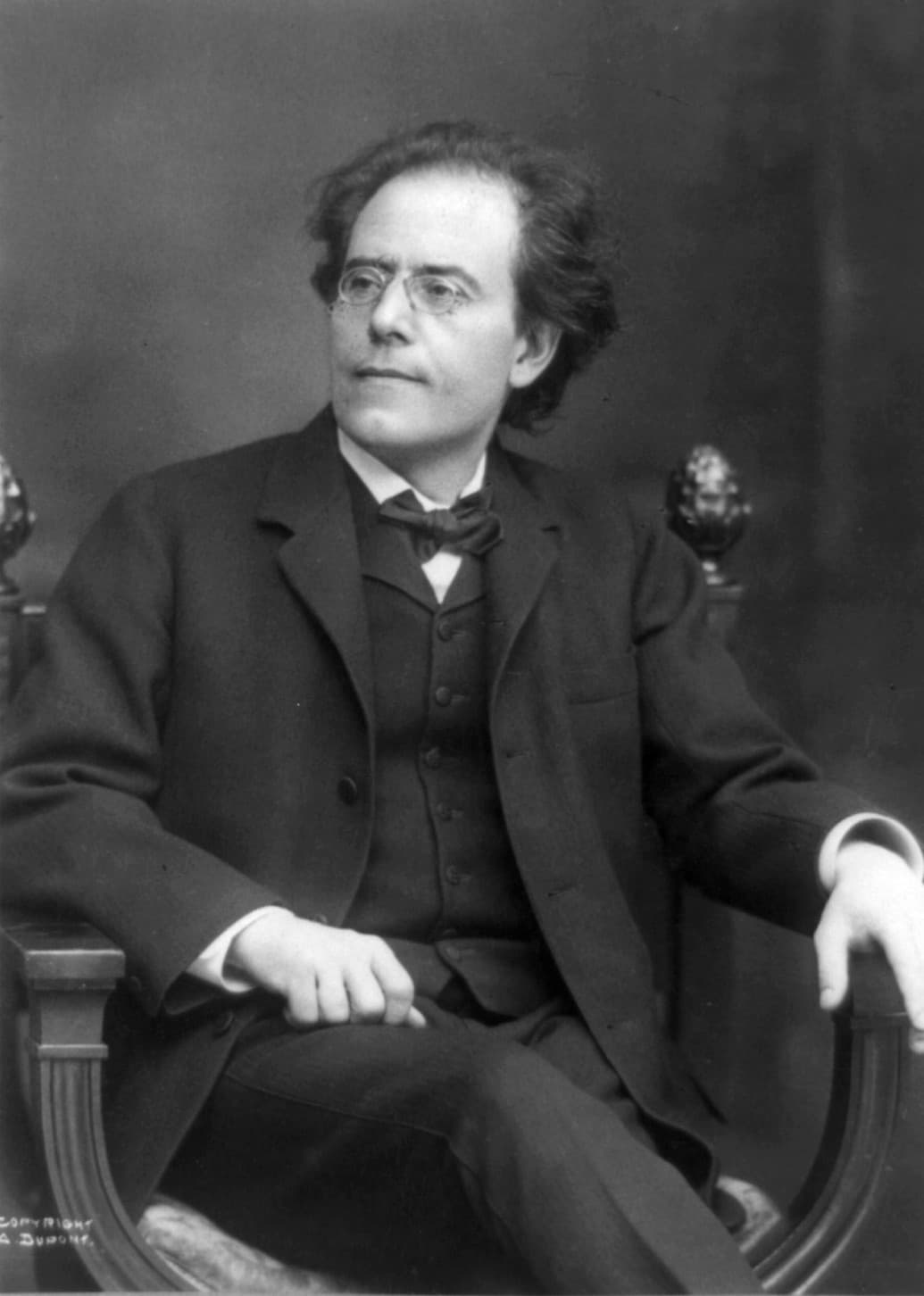
ClassicalPremiered 1902
Synopsis
Mahler's Symphony No. 3 stands as one of the longest and most ambitious symphonies in the classical repertoire, a sprawling six-movement work that expands the symphonic form to monumental proportions. The symphony opens with a powerful, primordial theme that evokes nature in its raw, untamed state, establishing a sense of cosmic grandeur. Through its vast architecture, the work progresses through movements of increasing complexity and emotional depth, incorporating a contralto soloist in the fifth movement who sings a setting of Nietzsche's text from *Thus Spoke Zarathustra*. The symphony explores themes of nature, spirituality, and human aspiration, moving from the material world toward transcendent realms. Mahler's orchestration is characteristically rich and innovative, employing an enormous ensemble to create vivid sonic landscapes. The final movement achieves a sense of peaceful resolution and acceptance, suggesting a reconciliation between the human spirit and the infinite cosmos.