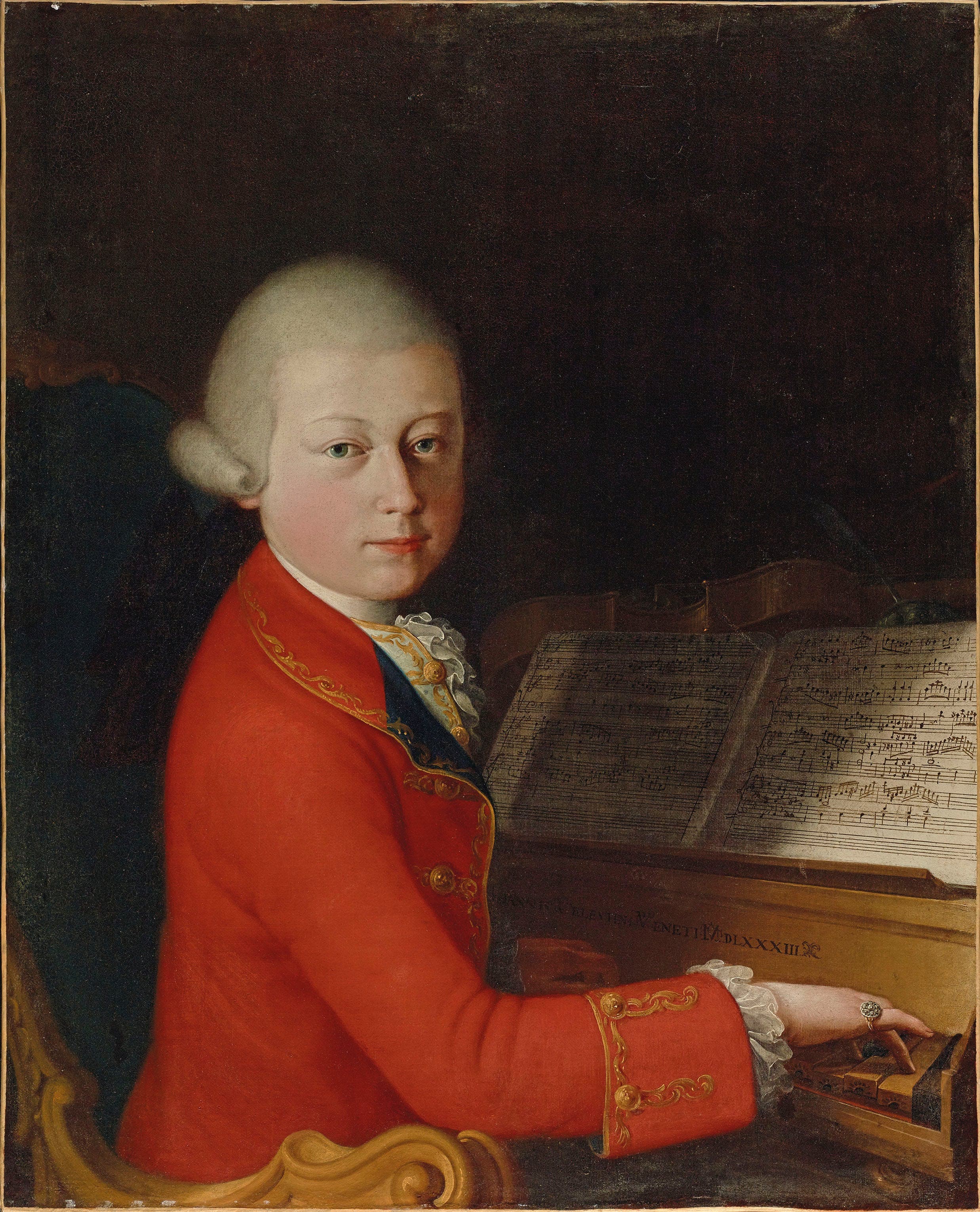
ClassicalPremiered 1788
Synopsis
Symphony No. 39 in E-flat major stands as one of Mozart's most luminous orchestral achievements, a work of noble grandeur and lyrical eloquence. The symphony opens with a stately, dramatic introduction that yields to a graceful and lively Allegro, establishing the work's characteristic blend of elegance and vitality. The serene Andante con moto that follows offers expressive repose, its gentle contours providing emotional depth without sentimentality. The robust and energetic minuet movement maintains the symphony's aristocratic bearing while introducing rhythmic vigor, before the brilliant finale sweeps forward with effervescent charm and technical brilliance. Notably absent are the oboes that typically color Mozart's orchestral palette, a deliberate choice that contributes to the symphony's distinctive warmth and luminosity. The work exemplifies Mozart's mastery of symphonic form during his mature Vienna period, balancing structural sophistication with immediate melodic appeal.