ClassicalPremiered 1885
Synopsis
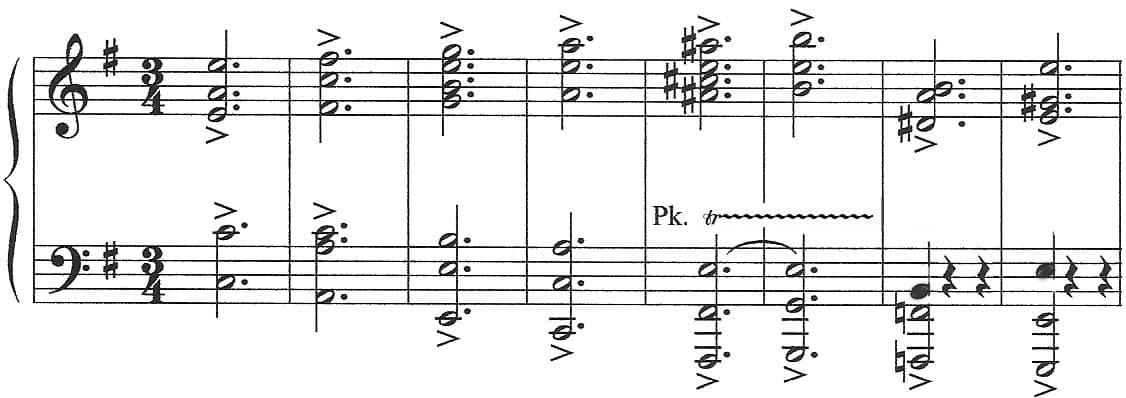
Brahms's Fourth Symphony stands as a masterwork of absolute music, eschewing narrative in favor of pure instrumental expression. Composed during the summers of 1884 and 1885, this E minor work exemplifies the composer's command of formal architecture and motivic development. The symphony unfolds across four movements, opening with a dark, formally taut first movement that establishes the work's tragic character through its somber nobility. The subsequent movements navigate complex emotional terrain, showcasing Brahms's mastery of counterpoint and transformation of musical ideas. The finale represents a pinnacle of the work's achievement: a passacaglia—an ancient Baroque variation form—constructed upon a theme adapted from J.S. Bach's Cantata No. 150. This synthesis of historical form with Romantic sensibility creates a profound meditation on musical tradition and emotional expression, culminating in a work of austere beauty and intellectual rigor.