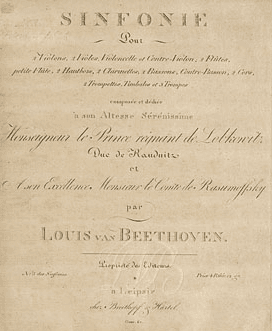
ClassicalPremiered 1808
Synopsis
Beethoven's Fifth Symphony stands as one of classical music's most iconic and structurally revolutionary works. The symphony opens with its famous four-note motif—a stark, urgent gesture that propels the entire first movement with relentless energy and dramatic tension. This opening theme becomes the generative force for the work's architecture, undergoing constant transformation and development across all four movements. The second movement provides lyrical respite, offering a songlike melody of profound beauty that contrasts sharply with the opening's aggression. The third movement returns to turbulent, scherzo-like material before building inexorably toward the finale. The fourth movement achieves a triumphant apotheosis, transforming the opening motif into a victorious proclamation supported by full orchestral force, including trombones and piccolo—instruments Beethoven had not previously used in symphonic finales. The work traces an emotional arc from struggle and darkness toward affirmation and light, establishing a narrative template that would influence symphonic writing for generations.