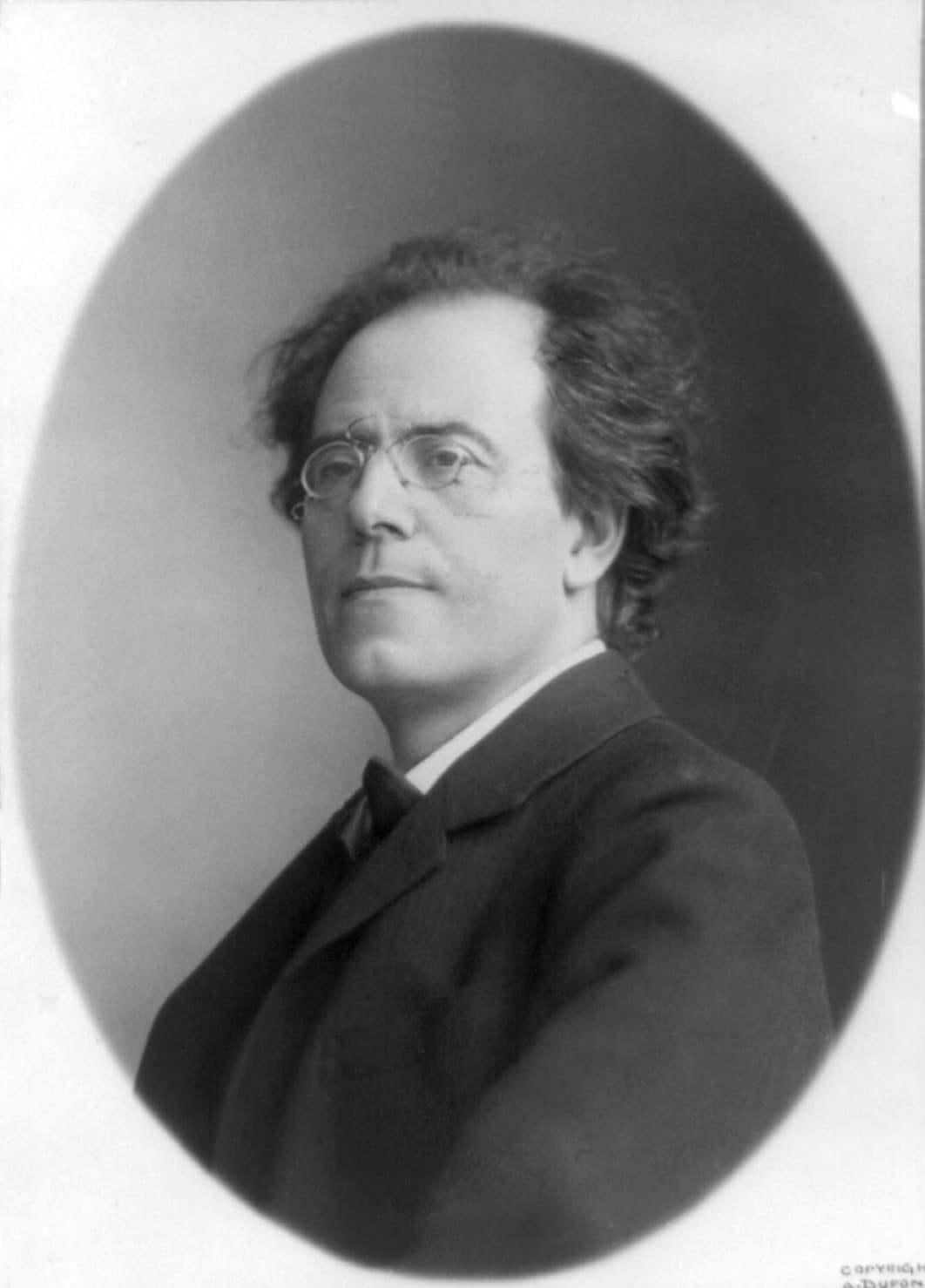
ClassicalPremiered 1904
Synopsis
Mahler's Fifth Symphony stands as one of the most emotionally turbulent and structurally ambitious works in the symphonic repertoire. Spanning five movements organized in three parts, the work traces a psychological journey from darkness and despair toward transcendence and affirmation. The opening movement, marked by a funeral march, establishes an atmosphere of profound grief and struggle. Through subsequent movements—including a scherzo of restless energy and a famous Adagietto that has become synonymous with profound melancholy—the symphony gradually transforms its thematic material. The work culminates in a triumphant final movement, a rondo marked by exuberant orchestration and a sense of hard-won victory. Throughout, Mahler employs a vast orchestra with innovative instrumental combinations, creating a soundworld that oscillates between intimate chamber textures and overwhelming climaxes. The symphony represents a pivotal moment in Mahler's compositional evolution, marking a shift toward greater structural clarity while maintaining his characteristic emotional intensity.