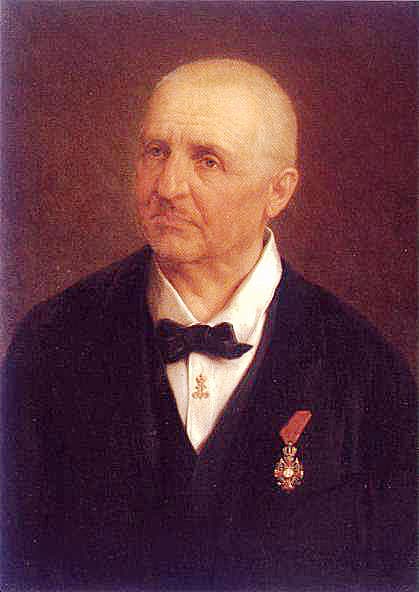
ClassicalPremiered 1881
Synopsis
Bruckner's Sixth Symphony represents a transitional work in the composer's symphonic output, composed between 1879 and 1881. Written during a period of relative artistic uncertainty, the symphony demonstrates Bruckner's characteristic architectural grandeur while exploring more restrained orchestration than some of his larger-scale works. The four-movement structure unfolds with the composer's typical blend of chorale-like themes, contrapuntal development, and moments of visionary orchestral color. The work showcases Bruckner's mastery of symphonic form, with themes that build from modest beginnings into expansive, hymn-like passages. Though initially overshadowed by the composer's Fifth and Seventh Symphonies, the Sixth has gained recognition for its intricate craftsmanship and emotional depth, revealing a composer wrestling with formal innovation while maintaining his deeply spiritual musical language.