ClassicalPremiered 1893
Synopsis
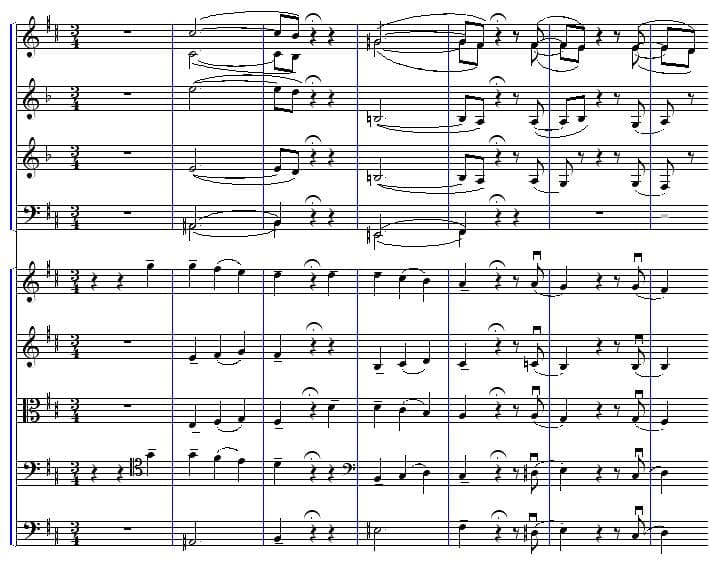
Tchaikovsky's final symphony stands as a profound meditation on human suffering and existential despair. Composed in the final months of the composer's life, the work eschews the triumphant conclusions typical of the symphonic tradition, instead descending into darkness and resignation. The opening movement establishes a mood of introspection through its distinctive viola theme, while subsequent movements explore themes of fate, passion, and inevitable decline. The famous fourth movement—marked Adagio lamentoso—strips away orchestral grandeur to present a haunting, elegiac vision that has led many to interpret the work as Tchaikovsky's artistic farewell. The symphony's unconventional structure and emotional trajectory challenged contemporary audiences, yet its raw honesty and innovative orchestration have secured its place as one of the most significant symphonic works of the Romantic era.