ClassicalPremiered 1813
Synopsis
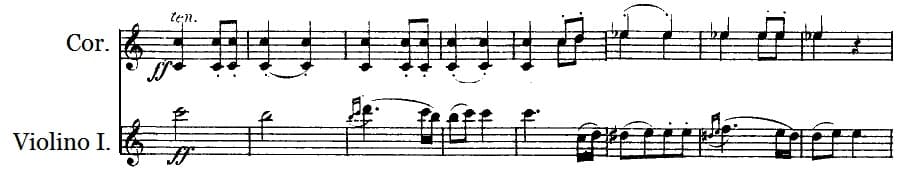
Beethoven's Symphony No. 7 in A major stands as a monument to rhythmic vitality and unbridled exuberance. The work unfolds across four movements of contrasting character, beginning with a vigorous Poco sostenuto–Vivace that establishes the symphony's propulsive energy through insistent, dance-like rhythms. The second movement, Allegretto, provides profound contrast—a solemn, lyrical meditation that became so beloved audiences frequently demanded encores of this movement alone. The scherzo returns to rhythmic drive and playful vigor, while the finale unleashes a torrent of celebratory triumph, its relentless momentum and infectious joy embodying what Richard Wagner would famously describe as the "apotheosis of the dance." Throughout, Beethoven harnesses rhythm as his primary compositional force, creating a work that radiates optimism, power, and life itself. Premiered during a charity concert for soldiers wounded in the Napoleonic Wars, the symphony's triumphant spirit resonated deeply with audiences seeking affirmation of human resilience and joy.