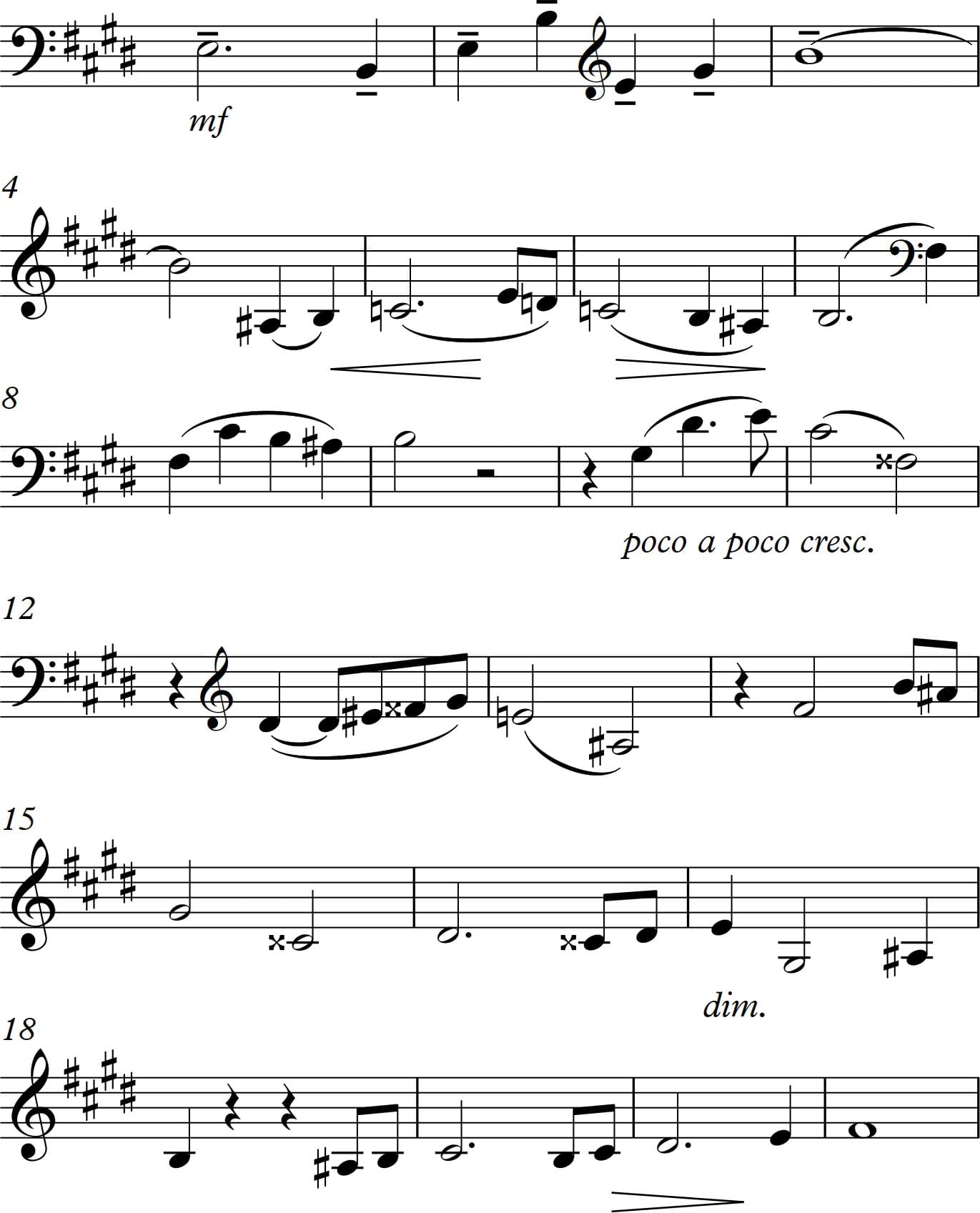
ClassicalPremiered 1884
Synopsis
Bruckner's Seventh Symphony stands as one of the composer's most celebrated orchestral works, showcasing his mastery of large-scale symphonic form and his characteristic blend of Romantic grandeur with structural rigor. The work unfolds across four movements, each exploring contrasting emotional territories—from the solemn, searching opening theme that establishes the symphony's spiritual foundation, through passages of mounting intensity and orchestral brilliance, to moments of profound introspection. The famous Wagner tubas, which Bruckner introduced in this work, lend a distinctive sonorous quality that became a hallmark of his mature style. The symphony demonstrates the composer's gift for building monumental climaxes through gradual accumulation of musical material, while maintaining intimate chamber-like passages that reveal his deep harmonic sophistication. The work balances architectural ambition with emotional authenticity, creating a profound meditation on human aspiration and transcendence.