ClassicalPremiered 1908
Synopsis
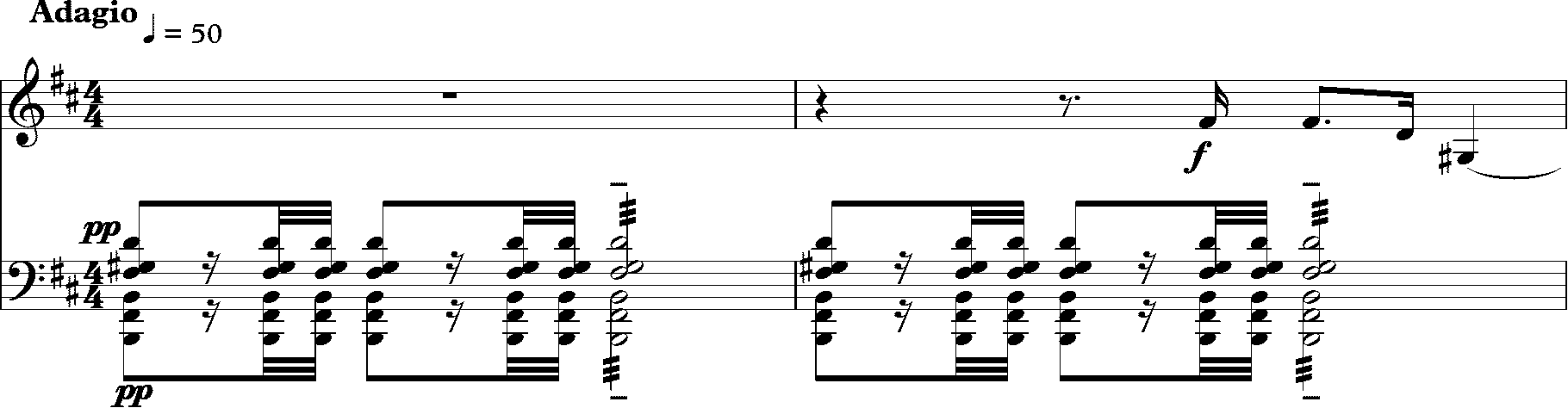
Mahler's Seventh Symphony stands as one of his most enigmatic and structurally audacious works, a five-movement exploration of nocturnal imagery and spiritual searching. Opening with a restless, searching theme in E minor, the work progresses through a scherzo of grotesque humor, a central Andante of profound introspection, and a second scherzo that recalls the first with darkened intensity. The finale erupts in triumphant E major, suggesting resolution and affirmation, though the journey remains characteristically ambiguous. The symphony's unusual architecture—with two scherzos flanking a lyrical center—creates an unsettling symmetry that mirrors Mahler's preoccupation with mortality, nature's indifference, and the human struggle for meaning. The orchestration is characteristically rich and innovative, employing cowbells, mandolin, and guitar to evoke both pastoral innocence and urban alienation.