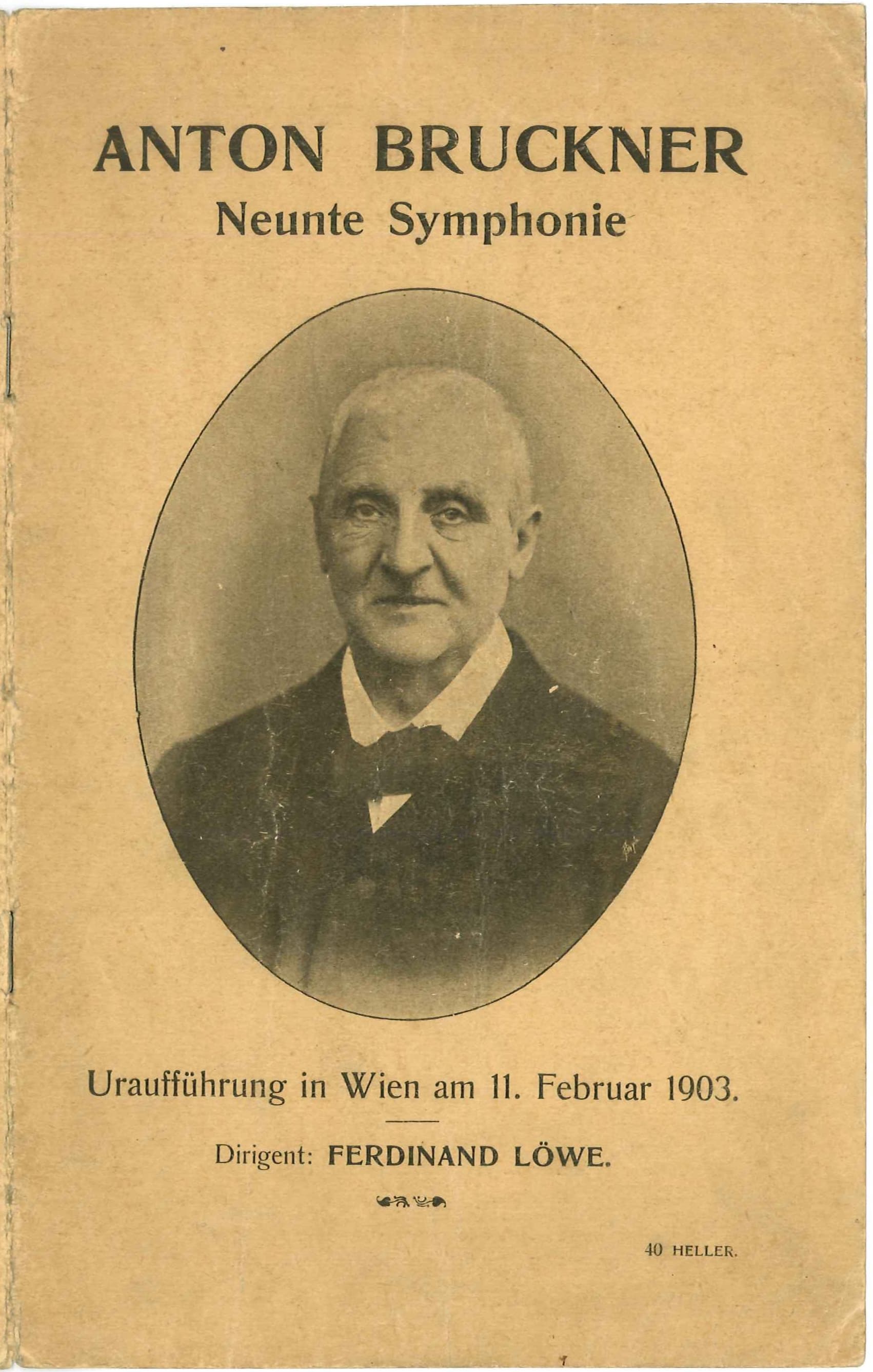
ClassicalPremiered 1903
Synopsis
Bruckner's final symphony stands as a monumental achievement in the symphonic tradition, showcasing the composer's mature mastery of large-scale orchestral architecture. The work unfolds across three movements—a departure from the traditional four-movement structure—presenting themes of spiritual transcendence and cosmic grandeur. The opening movement establishes a sense of mystery and searching, building through characteristic Brucknerian crescendos that accumulate instrumental forces with overwhelming power. The Adagio emerges as a profound meditation on mortality and the divine, featuring soaring string passages and moments of sublime beauty. The finale, left incomplete at Bruckner's death, represents an unfinished gesture toward ultimate resolution, leaving listeners suspended between earthly struggle and heavenly aspiration. Throughout, the symphony demonstrates Bruckner's distinctive orchestration, with prominent brass writing and a cyclical approach to thematic development that binds the movements together.