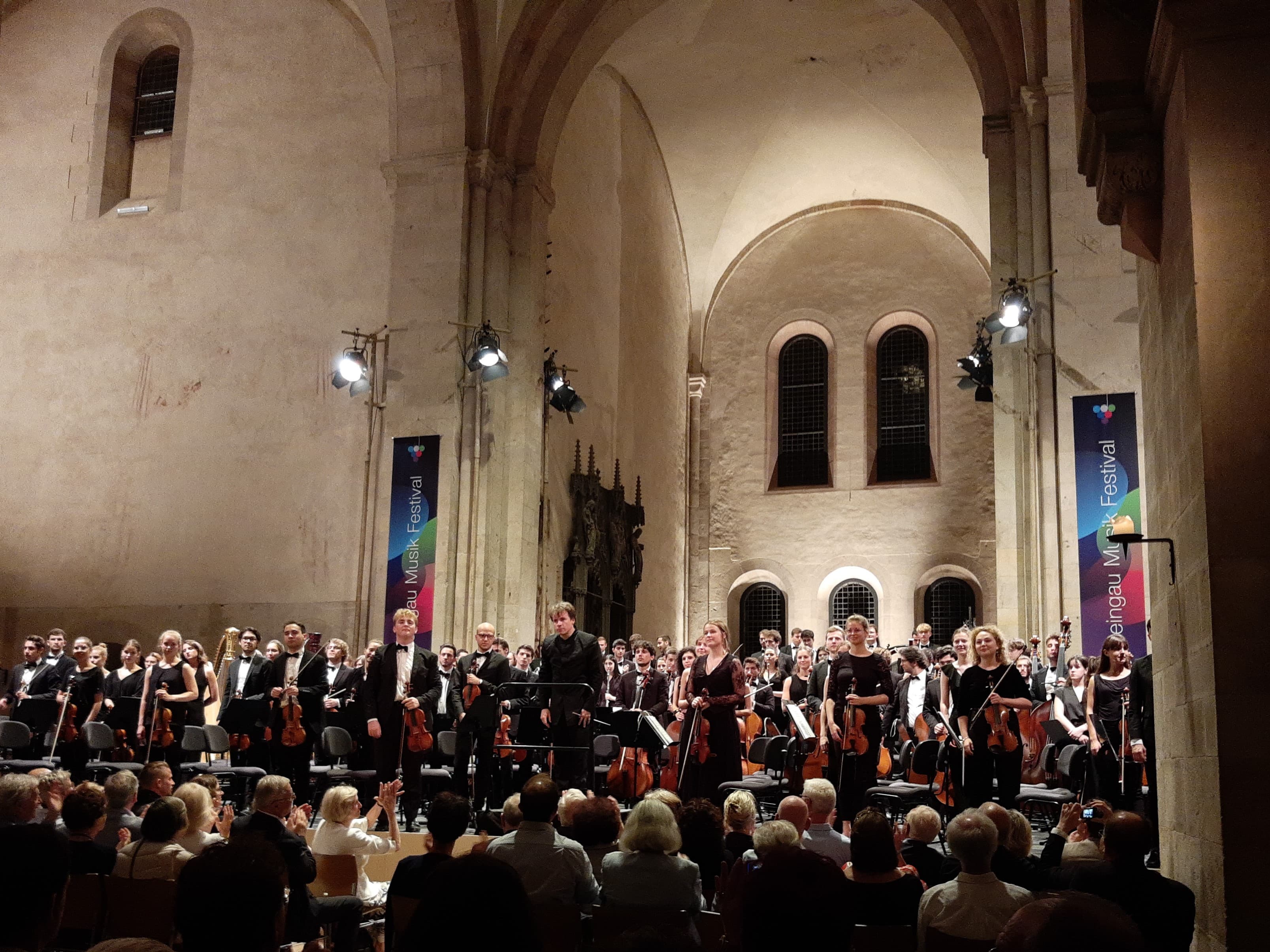
ClassicalPremiered 1912
Synopsis
Mahler's Ninth Symphony stands as one of the composer's most introspective and philosophically profound works, composed during a period of personal turmoil and artistic reflection. The symphony unfolds across four movements that trace an emotional arc from turbulent passion through moments of tender lyricism to a final movement of devastating resignation. The opening movement presents themes of struggle and yearning, while the second movement offers a Ländler-inspired respite tinged with melancholy. The third movement provides rhythmic vitality and orchestral brilliance before the finale—perhaps Mahler's most poignant creation—gradually dissolves into silence, suggesting acceptance of mortality and the transience of human existence. The work eschews traditional symphonic resolution, instead embracing ambiguity and spiritual questioning. Throughout, Mahler's masterful orchestration creates an intimate dialogue between instruments, transforming the symphony into a deeply personal meditation on life, loss, and the human condition.