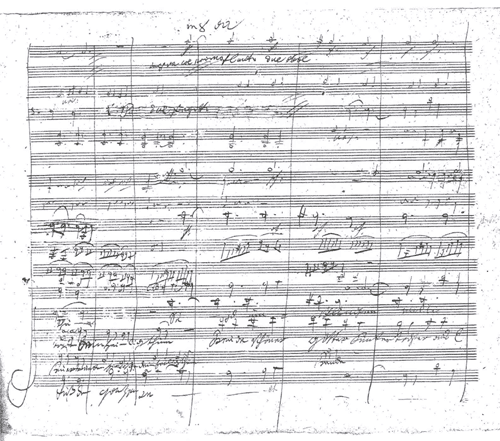
ClassicalPremiered 1824
Synopsis
Beethoven's Ninth Symphony stands as one of classical music's most monumental achievements, a four-movement work that transcends the symphonic form by introducing the human voice in its finale. The opening movement presents a turbulent exploration of musical conflict and resolution, while the second movement offers rhythmic vitality and dance-like energy. The third movement provides lyrical introspection and profound beauty. The revolutionary final movement abandons pure instrumental expression to incorporate Friedrich Schiller's "Ode to Joy," setting the poem to music with soloists and chorus. This integration of text and voice into the symphony's structure was unprecedented and profoundly influential. The work celebrates universal brotherhood, freedom, and human connection, transforming abstract musical architecture into a statement of humanistic ideals. Its themes of joy, unity, and the triumph of the human spirit continue to resonate across cultures and centuries.