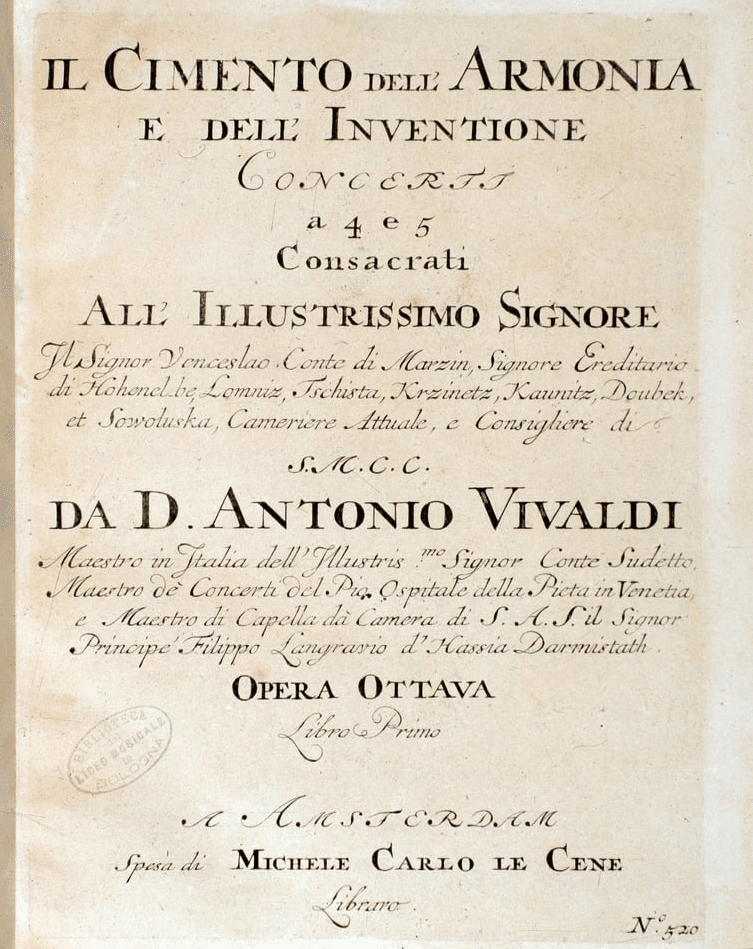
ClassicalPremiered 1725
Synopsis
The Four Seasons stands as one of the most celebrated instrumental works in Western classical music, a set of four violin concertos that vividly capture the essence of each season through innovative orchestral color and virtuosic solo writing. Spring arrives with exuberant bird songs and gentle breezes, its themes dancing with youthful energy. Summer brings oppressive heat and violent thunderstorms that crash across the musical landscape with dramatic intensity. Autumn celebrates the harvest with hunting scenes and rustic festivities, the music swirling with joyful abandon. Winter closes the cycle with icy desolation and fireside warmth, depicting both the harshness of cold and the comfort of shelter. Each concerto is preceded by a sonnet—likely written by Vivaldi himself—that guides the listener through the seasonal narrative. The work demonstrates Vivaldi's mastery of the concerto grosso form while pushing the boundaries of instrumental expression, using the orchestra to paint vivid natural scenes with unprecedented realism and emotional depth.