OperaPremiered 1941Libretto by Gian Carlo Menotti
Synopsis
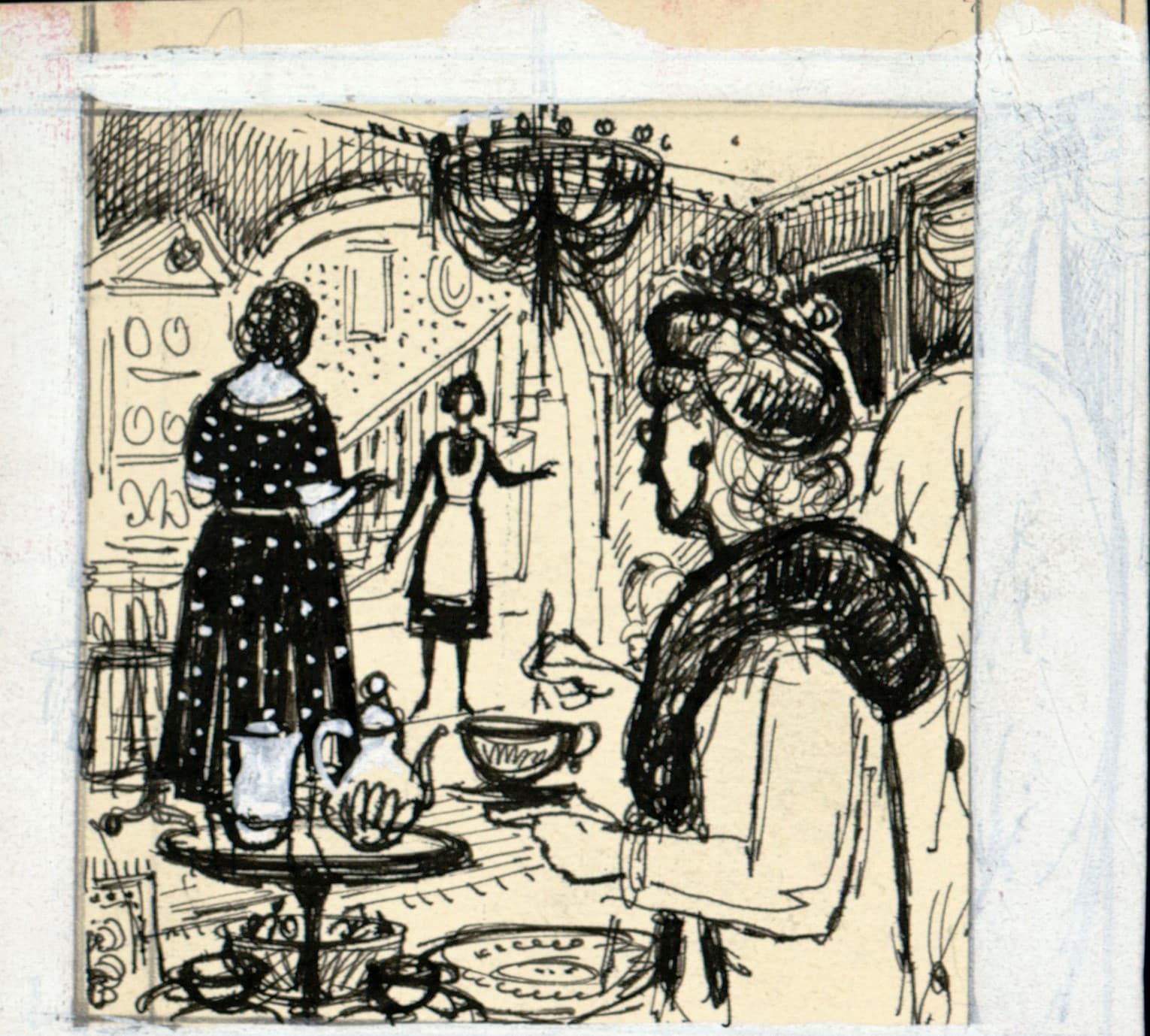
Gian Carlo Menotti's *The Old Maid and the Thief* unfolds as a delightfully twisted tale of deception and desire in a small American town. When a charming drifter arrives at the door of Miss Laetitia, a lonely, respectable old maid, she becomes instantly captivated by his roguish appeal. Against all propriety, she allows him to stay, spinning elaborate lies to her gossiping neighbors to explain his presence. As their peculiar arrangement deepens, Miss Laetitia finds herself increasingly willing to overlook—indeed, to actively assist in—the stranger's criminal escapades, each transgression drawing her further into complicity and moral compromise. What begins as an innocent infatuation metastasizes into something far more dangerous: a woman so desperate for connection and excitement that she abandons her carefully constructed respectability. Menotti crafts this chamber opera with brilliant economy, layering comedy atop a darker exploration of loneliness, temptation, and the masks we wear in polite society. The work's deceptive lightness conceals a sharp-eyed critique of feminine constraint and the corrosive power of unacknowledged desire.