ClassicalPremiered 1913
Synopsis
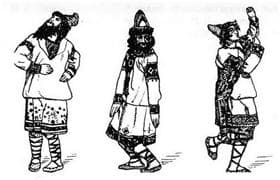
The Rite of Spring is a groundbreaking orchestral work that reimagines ancient pagan rituals of spring fertility and renewal in pre-Christian Russia. The ballet unfolds across two parts: the Adoration of the Earth and the Sacrifice. In the first part, tribes gather to celebrate the awakening of nature, with maidens dancing and elders blessing the earth. The second part builds toward a climactic ritual in which a chosen maiden must dance herself to death as an offering to ensure the earth's fertility and the community's survival. Through visceral movement and primal rhythms, the work explores humanity's relationship with nature, sacrifice, and the cyclical forces that govern existence. Stravinsky's revolutionary score—with its dissonant harmonies, irregular meters, and raw orchestral colors—shatters conventional musical language, while Nijinsky's choreography abandons classical ballet vocabulary in favor of angular, grounded, and deliberately awkward movement that shocked audiences at its premiere.