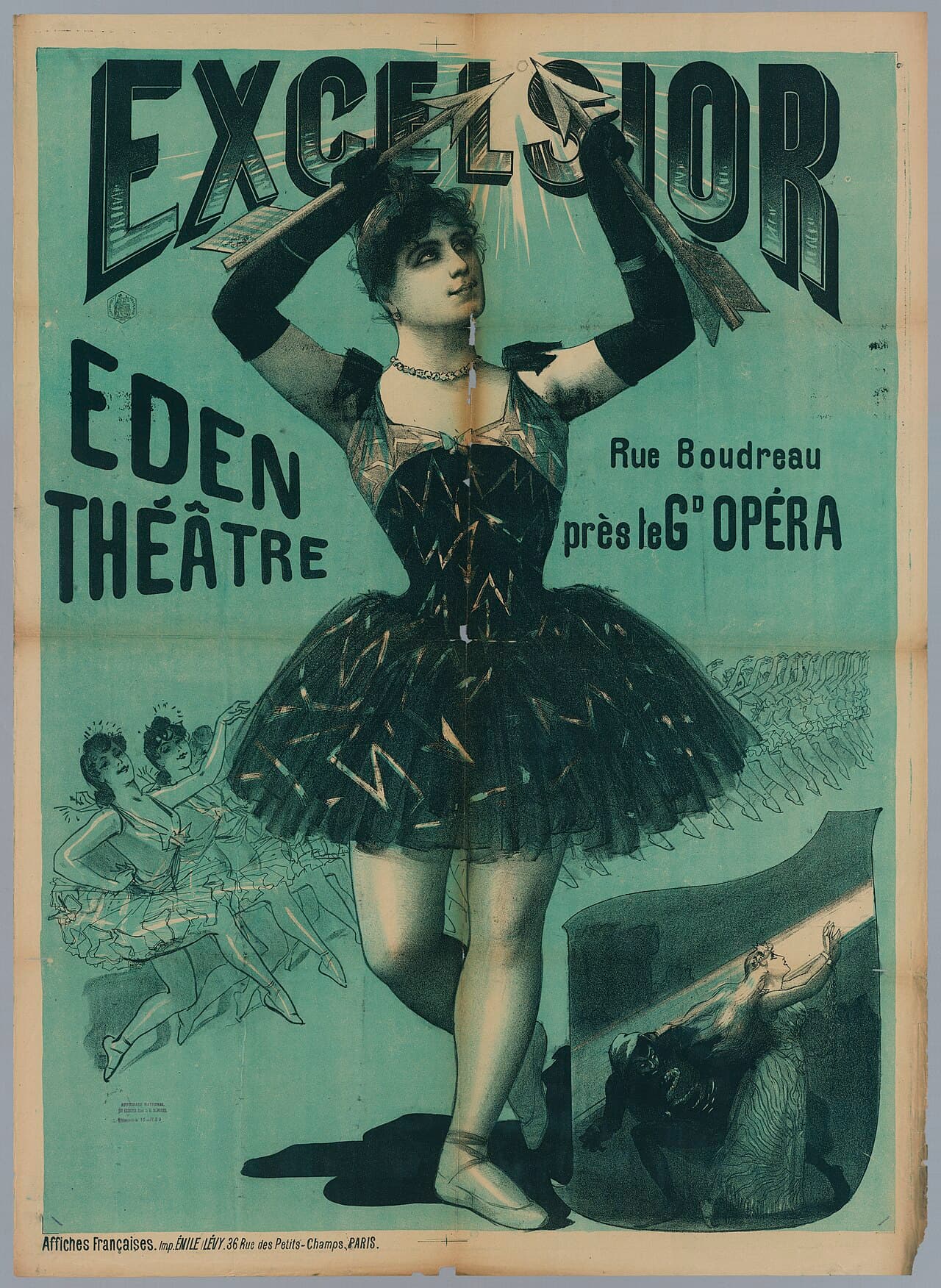
Ballet
Synopsis
Excelsior stands as a monumental spectacle of nineteenth-century ballet vision, a work that transforms the stage into a canvas of human progress and technological triumph. This grand ballet weaves together a narrative of invention and aspiration, celebrating the spirit of human endeavor through elaborate choreography and sumptuous production design. The work unfolds across multiple acts and scenes, each depicting moments of discovery and innovation that propel civilization forward. Dancers embody both allegorical figures and characters caught in the sweep of historical momentum, executing intricate ensemble formations and virtuosic solo passages that demand extraordinary technical prowess. The score, compiled from various composers, propels the action with rhythmic vitality and sweeping melodies that underscore the work's epic ambitions. Excelsior encapsulates the optimism of its era—a belief in human capability and the march of progress—rendered through the balletic vocabulary of mime, variation, and corps de ballet spectacle. The work remains a testament to the grandeur of classical ballet theater, a production of immense scale designed to awe and inspire audiences with visions of human achievement.