Theatre
Synopsis
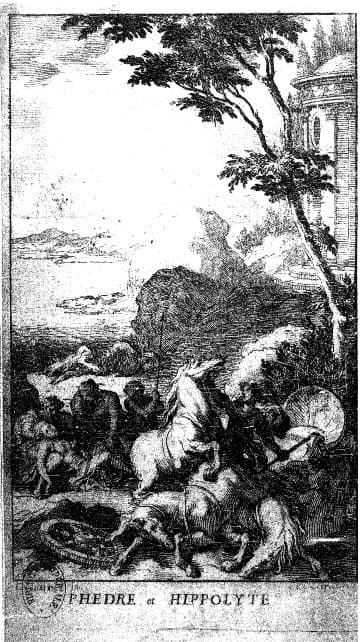
Phèdre stands as one of French theatre's most searing explorations of desire and moral ruin. Jean Racine's neoclassical masterpiece traces the descent of a queen consumed by an illicit passion that defies reason, duty, and the natural order. Phèdre, wife to Theseus and stepmother to his son Hippolytus, harbors a forbidden love that gnaws at her from within, a transgression she struggles to conceal beneath the veneer of aristocratic decorum. As her husband ventures into the shadowed realm of the underworld, leaving his household in uncertainty, Phèdre's carefully constructed restraint crumbles. Her confession of desire becomes the catalyst for a cascade of misunderstandings, false accusations, and inexorable tragedy. The play probes the collision between human appetite and social obligation, examining how the most civilized restraints can buckle under the pressure of uncontrollable emotion. Through Racine's crystalline verse, characters become prisoners to their own hearts, trapped in a web of fate where virtue offers no sanctuary. What emerges is a portrait of psychological devastation rendered with classical precision—a meditation on shame, the corruption of power, and the terrible knowledge that some desires, once acknowledged, admit no redemption.