All Collections
Operamulti
La Scala: The Living Canon
The productions and performances that made Milan's opera house the world's defining stage
6 selections · Stage Door Society Editorial
The Weight of a Building
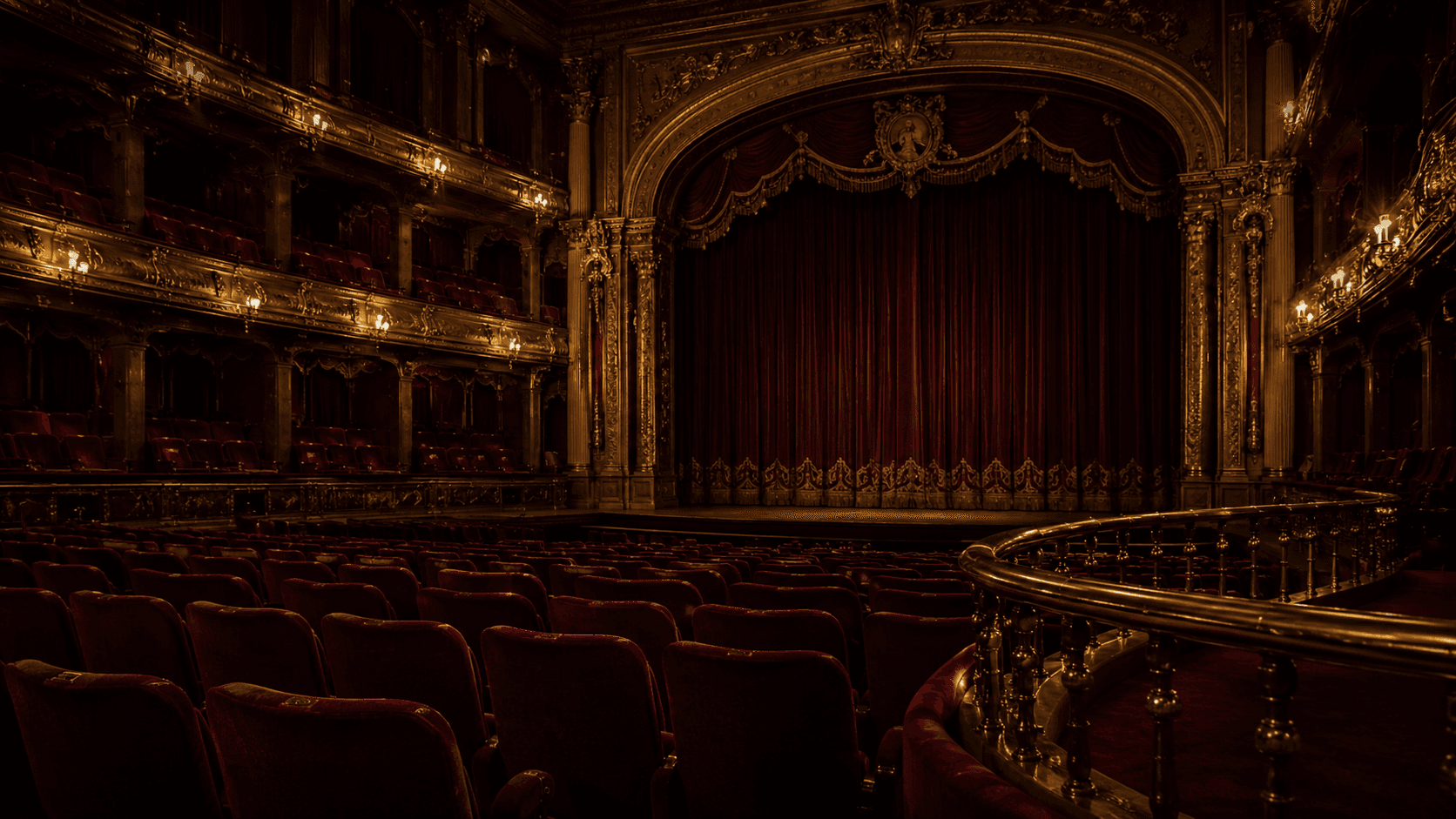
The Teatro alla Scala in Milan is not merely an opera house. It is the institution through which Western opera's self-understanding has been most continuously shaped. The Scala premieres — of Verdi, of Puccini, of Catalani, of Ponchielli — defined what a new opera needed to achieve to matter.
The house built by the Empress Maria Theresa and opened in 1778 has since staged well over two thousand world premieres.
The Verdi Connection
Verdi's relationship with La Scala was, characteristically, complicated. He had celebrated successes there — the premieres of Oberto (1839), Nabucco (1842), I Lombardi (1843) — and humiliating failures. Un Giorno di Regno (1840) was so poorly received that Verdi was reportedly found weeping in the street. He refused to return to La Scala for years.
His eventual reconciliation with the house — Otello (1887), Falstaff (1893) — produced two of opera's greatest premieres.
The Callas Era
Maria Callas's La Scala career (1951–57) was the 20th century's defining operatic partnership between a voice and an institution. The collaboration with conductor Victor de Sabata — particularly the 1953 Tosca recording — produced documents that define the standard for operatic interpretation.