All Collections
Operaromantic
Puccini: The Art of Pathos
Six operas and the question of whether sentimentality can be great art
5 selections · Stage Door Society Editorial
The Problem of Puccini
No composer divides serious listeners more reliably than Giacomo Puccini. The charge against him is that his works are engineered for maximum emotional effect without the structural integrity of Verdi or the harmonic complexity of Strauss — that his sentimentality is manipulation rather than feeling.
The charge is worth taking seriously. It is also wrong.
The Case for Puccini
The best Puccini operas — La Bohème, Tosca, Madama Butterfly, Turandot — achieve something rare: genuine tragic weight through specifically operatic means. The famous arias ('O Soave Fanciulla', 'Vissi d'Arte', 'Nessun Dorma') work not because they are pretty but because Puccini has spent acts constructing the conditions under which they become inevitable.
Tosca in particular is regularly underestimated. The second act is one of opera's most sustained dramatic scenes: Scarpia's psychological cruelty, Tosca's impossible choice, the murder — all unfolding with an operatic logic that never lapses into genre mechanics.The Late Puccini
Il Trittico (1918) — three one-act operas given together — represents Puccini at his most experimental. Il Tabarro is verismo at its darkest; Suor Angelica contains his most purely lyrical writing; Gianni Schicchi is one of the great comic operas. Together they reveal an artist still willing to take formal risks.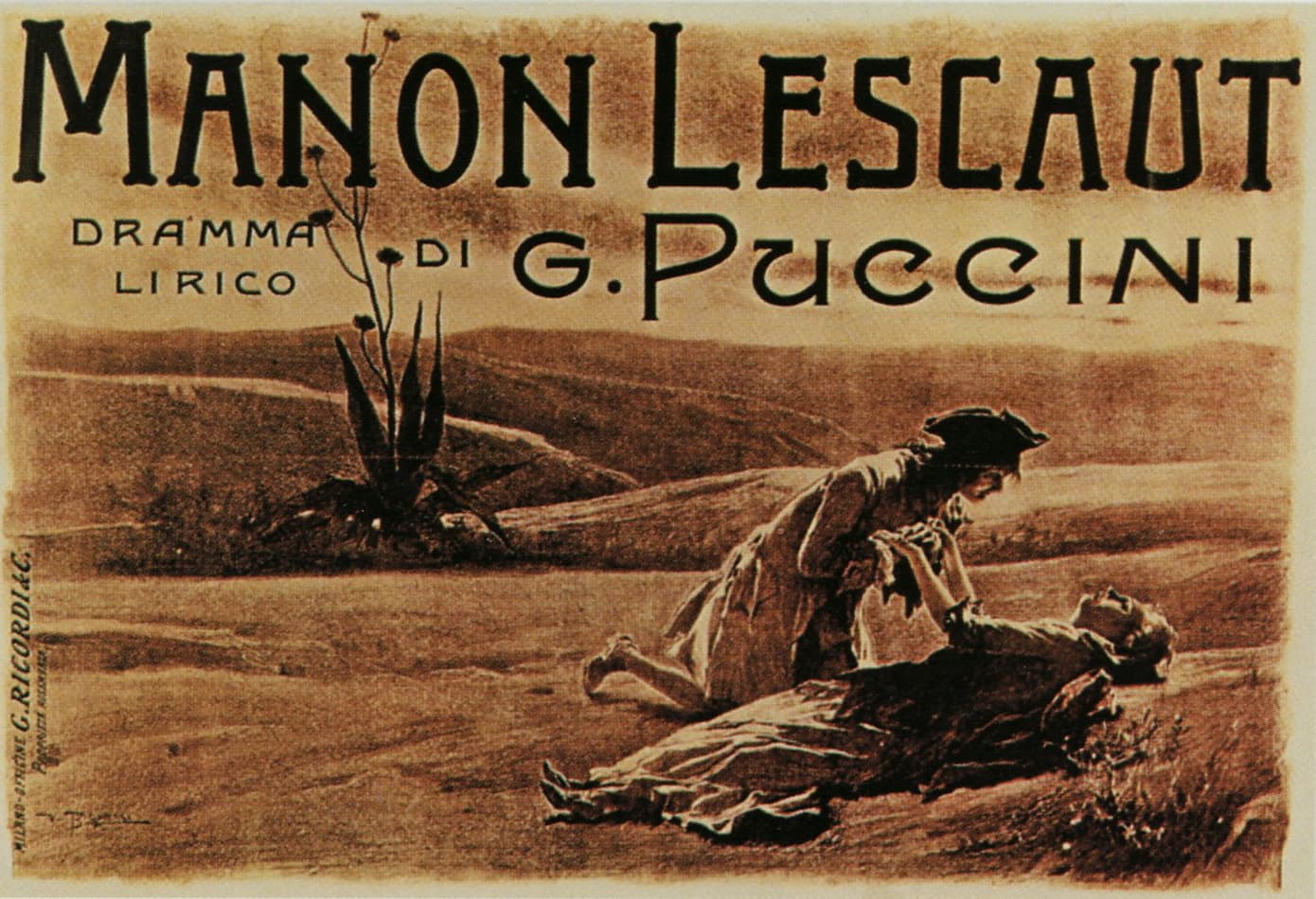
Related collections

Opera
The Verdi Imperative
Eight operas that trace Giuseppe Verdi's ascent to supremacy
8 selections
Opera
Mozart: The Operas
Six operas that exhausted the possibilities of every form they touched
5 selections
Opera
The Tragic Heroines
Eight operatic women whose destruction is opera's defining subject
5 selections