ClassicalPremiered 1937
Synopsis
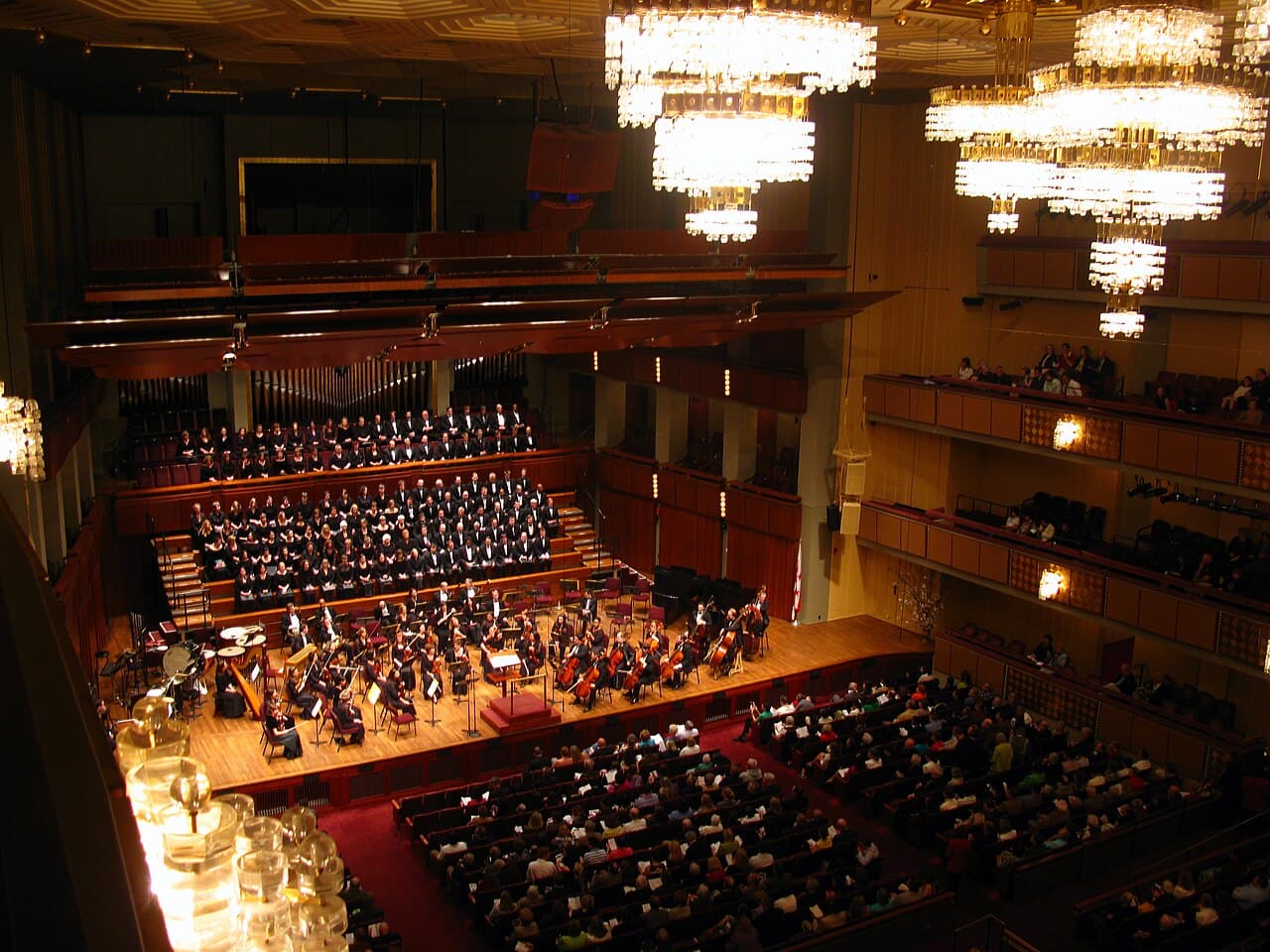
Carmina Burana is a scenic cantata that draws from a 13th-century manuscript of the same name, presenting a kaleidoscopic journey through medieval poetry and song. The work unfolds in three parts, each exploring different facets of human experience: the wheel of fortune and the transience of worldly power, the pleasures of spring and sensual desire, and the intoxicating revelry of tavern life and love. Rather than a narrative drama, Orff's composition functions as a series of tableaux vivants, moving from solemn invocations to exuberant celebrations. The text alternates between Latin, Middle High German, and Old French, creating an immersive medieval atmosphere. Orff's revolutionary orchestration—emphasizing rhythm, percussion, and primal vocal utterance—strips away Romantic sentimentality to reveal the raw vitality of these ancient verses. The work celebrates human appetite and folly with equal measure of irony and exuberance, culminating in a triumphant return to the opening theme of fortune's wheel.
Signature Interpreters
Performers most associated with this work.