OperaPremiered 1835Libretto by Giuseppe Bardari
Synopsis
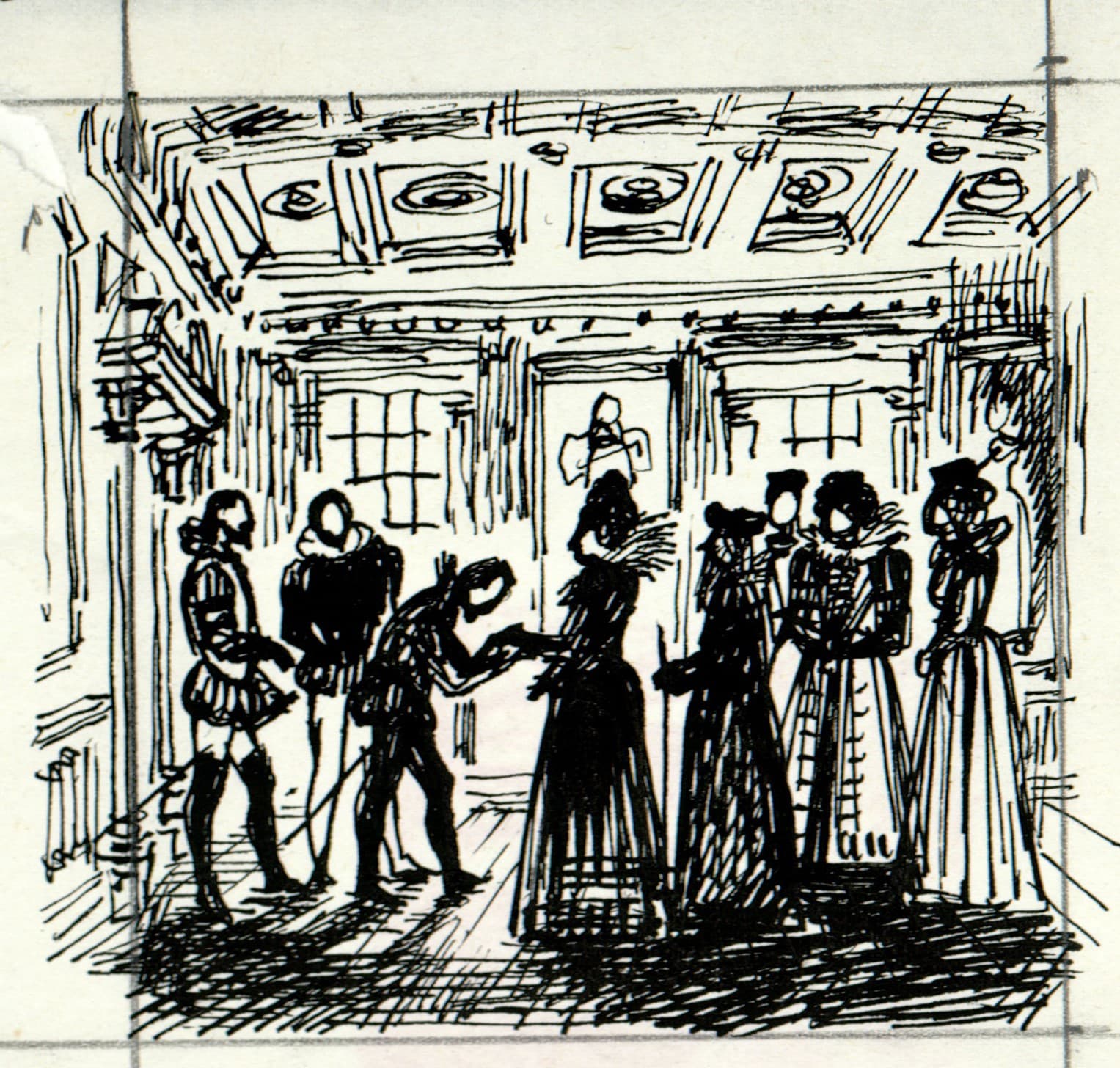
Maria Stuarda, Donizetti's turbulent tragedy in three acts, dramatizes the final chapter of Mary, Queen of Scots, transforming historical record into operatic fury. The deposed Scottish queen, imprisoned in England under the watchful eye of Queen Elizabeth I, clings to her dignity and royal claims even as her world contracts toward inevitable darkness. A chance encounter between the two rivals—one ruling, one captive—ignites a confrontation of shattering emotional intensity, where wounded pride, political necessity, and the phantom of maternal love collide. Around Maria swirls a court of shifting loyalties: her devoted Leicester, torn between queens; the conflicted Talbot, her jailer; and Elizabeth herself, a sovereign forced to choose between clemency and survival. Donizetti crafts this story through soaring vocal lines and dramatic ensemble work that captures both the pageantry and claustrophobia of royal imprisonment. The opera thrums with questions of legitimacy, sacrifice, and the terrible cost of power—culminating in a denouement that strips away all pretense, leaving only the raw human consequence of political collision.
Signature Interpreters
Performers most associated with this work.