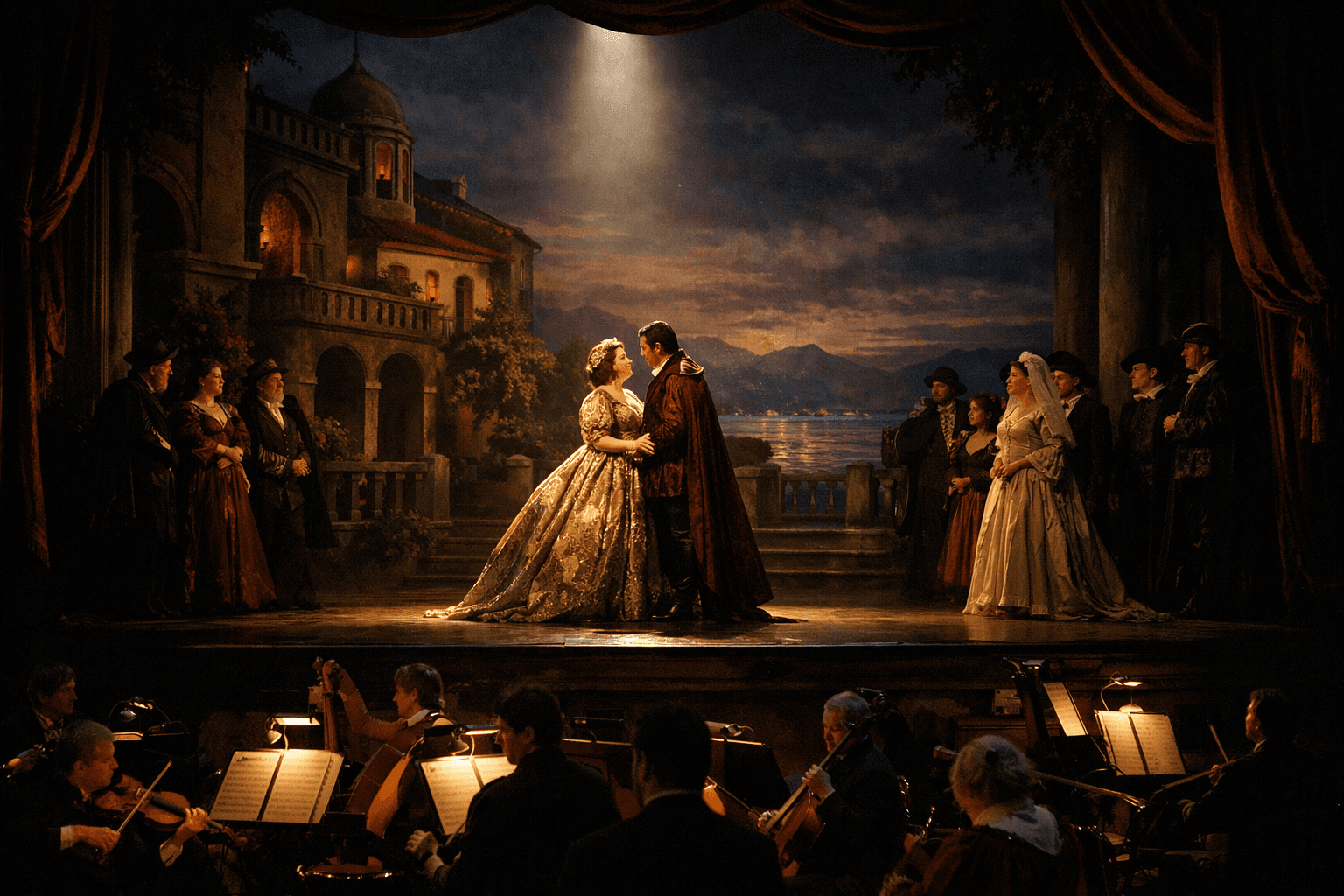
OperaPremiered 1793
Synopsis
Mozart's Requiem in D minor stands as one of the most profound and spiritually moving works in the Western classical canon. Composed during the final months of Mozart's life and completed by his student Franz Xaver Süssmayr after his death, this sacred mass for the dead sets the Latin liturgical text to music of extraordinary emotional depth and architectural grandeur. The work unfolds through interconnected movements that trace a spiritual journey from the initial plea for eternal rest through moments of terror and judgment, ultimately arriving at redemption and peace. The Requiem combines the formal structures of classical composition with deeply personal expression, featuring soaring choral passages, intimate solo moments, and instrumental writing of remarkable sophistication. Its themes of mortality, divine mercy, and transcendence resonate across centuries, making it a cornerstone of both liturgical and concert repertoire.