Classical
Synopsis
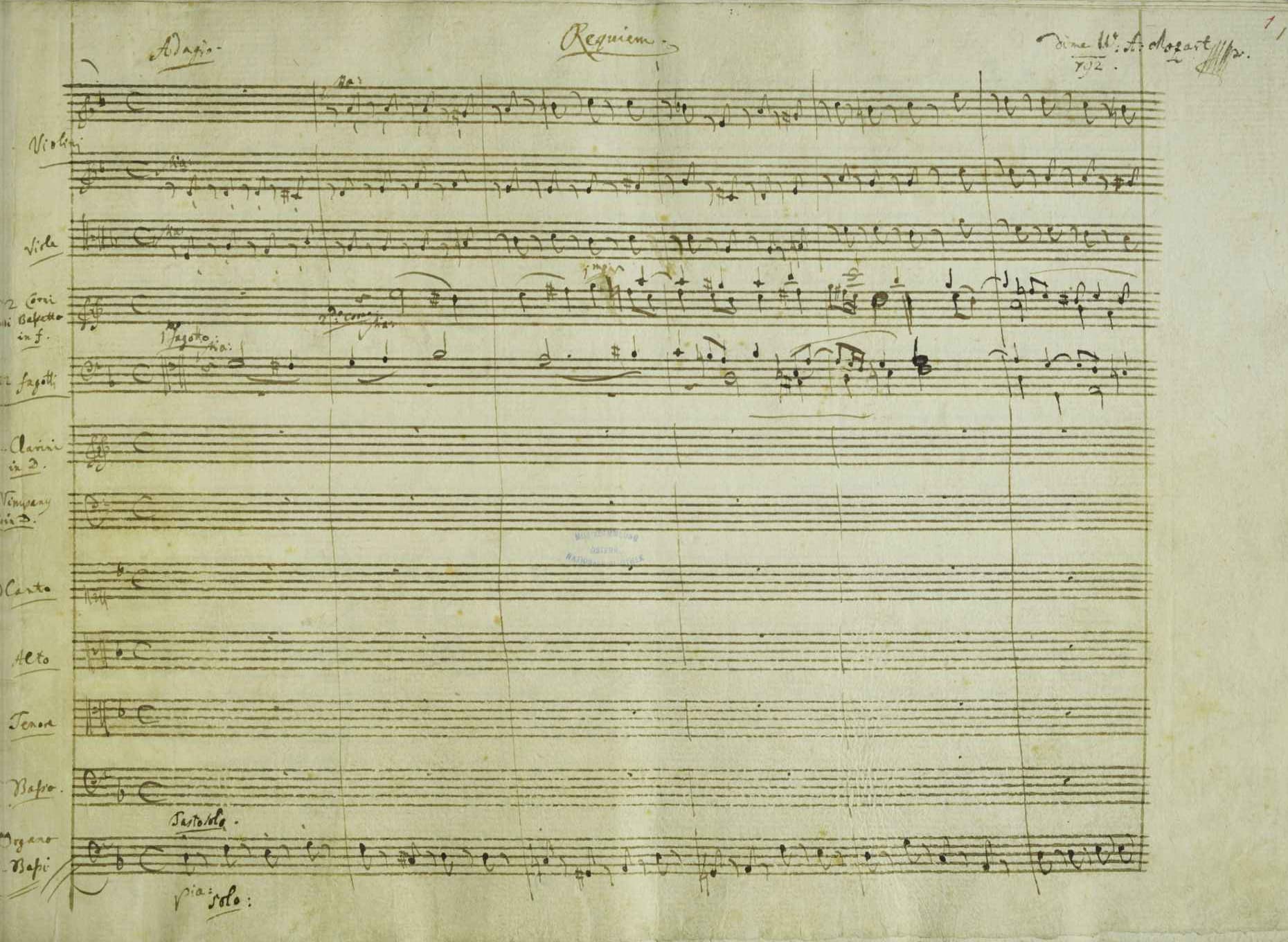
Mozart's Requiem in D minor stands as one of the most profound and spiritually transcendent works in the Western classical canon. Commissioned in mysterious circumstances and left incomplete at the composer's death in December 1791, the work was finished by his student Franz Xaver Süssmayr. The Requiem sets the Latin Mass for the Dead, moving through movements of supplication, judgment, and ultimate redemption. From the sorrowful opening Introitus through the terrifying Dies Irae—with its vivid orchestral depiction of divine wrath—the work explores themes of mortality, divine justice, and the hope for eternal peace. The Lacrimosa captures profound grief, while the Benedictus offers moments of ethereal beauty. The final Agnus Dei and Communio provide spiritual consolation. Mozart's masterful counterpoint, soaring vocal lines, and innovative orchestration create an emotionally overwhelming experience that transcends its liturgical function to become a universal meditation on death and the human condition.
Signature Interpreters
Performers most associated with this work.