All Collections
Operaromantic
Bel Canto: The Golden Age
Six operas from opera's most purely vocal period
5 selections · Stage Door Society Editorial
The Philosophy of Bel Canto
Bel canto — beautiful singing — names a style, a period (roughly 1815–1845), and a philosophy. The philosophy is this: the human voice, technically trained to the highest degree and allowed to move freely across its full range, is sufficient to dramatize any emotion. The orchestra is accompaniment. The voice is everything.This is not a naïve position. It produces some of opera's most concentrated dramatic effects.
Rossini, Bellini, Donizetti
The three composers who define the period share a commitment to vocal line — the melody that lies perfectly in the voice, that seems inevitable rather than composed. Rossini's comic operas (Il Barbiere di Siviglia, La Cenerentola) achieve a mechanical comic precision through vocal ensemble. Bellini's tragedies (Norma, La Sonnambula, I Puritani) use long, sustained melodic lines to create a distinctive atmosphere — melancholy, autumnal, pure. Donizetti covers both modes: comic (Don Pasquale, L'Elisir d'Amore) and tragic (Lucia, Maria Stuarda, Anna Bolena) with equal authority.
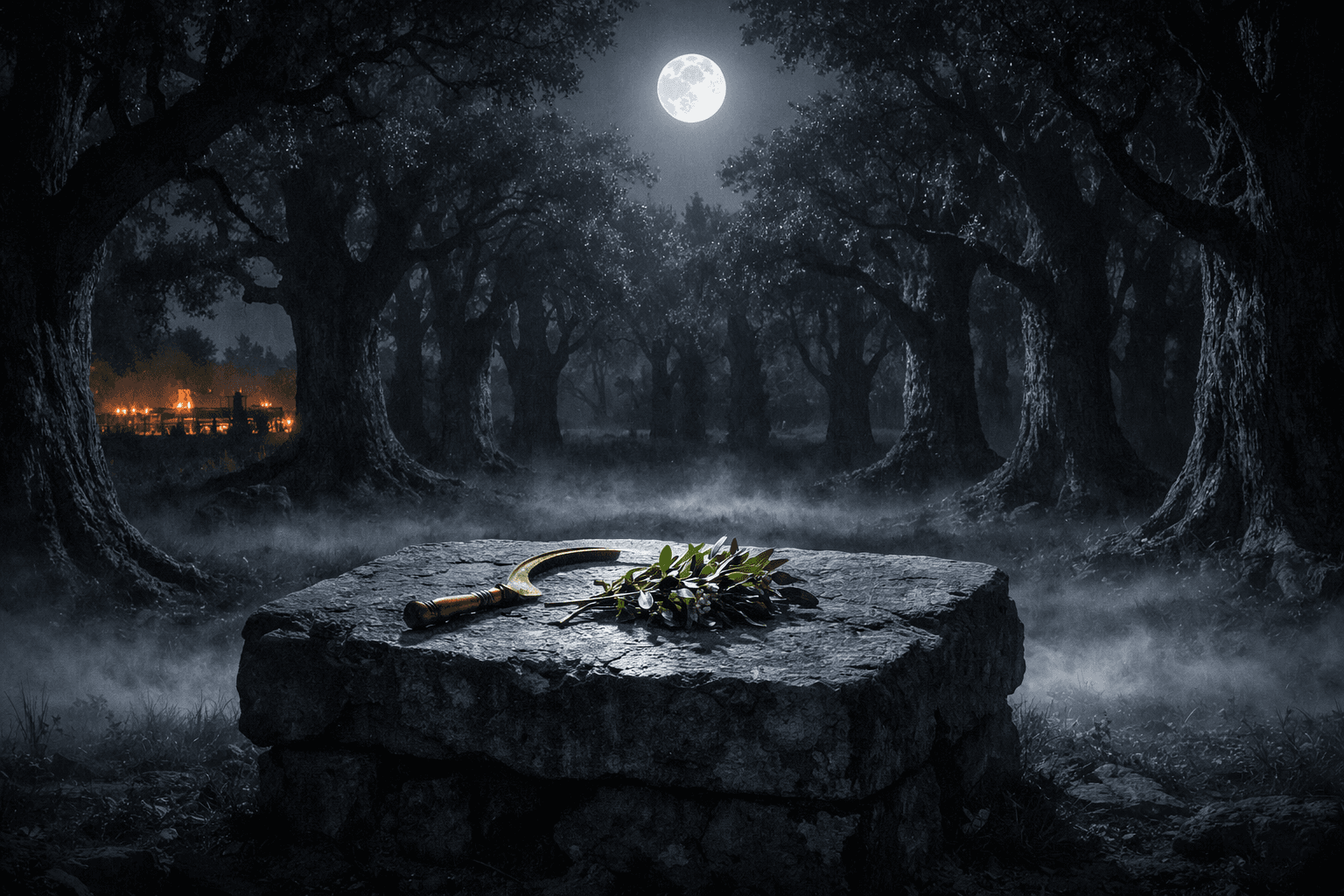
Norma
The standard against which all bel canto roles are measured. The title role demands both technical perfection — the 'Casta Diva' aria is one of the most demanding in the soprano repertoire — and genuine dramatic weight. Callas made the role famous again in the 1950s and made it impossible for anyone to hear it without hearing her.