All Collections
Operamulti
Mad Scenes: Opera's Darkest Chamber
Seven scenes in which operatic heroines lose their minds — and the music becomes something extraordinary
5 selections · Stage Door Society Editorial
The Convention and Its Subversion
The operatic scena di pazzia — the mad scene — is one of the form's oldest conventions. In early 19th-century opera, madness was partly a device to exhibit the soprano's vocal range: the voice unmoored from rationality could range freely across registers and ornament without dramatic justification needed.
In the greatest mad scenes, something more serious is happening.
Lucia di Lammermoor
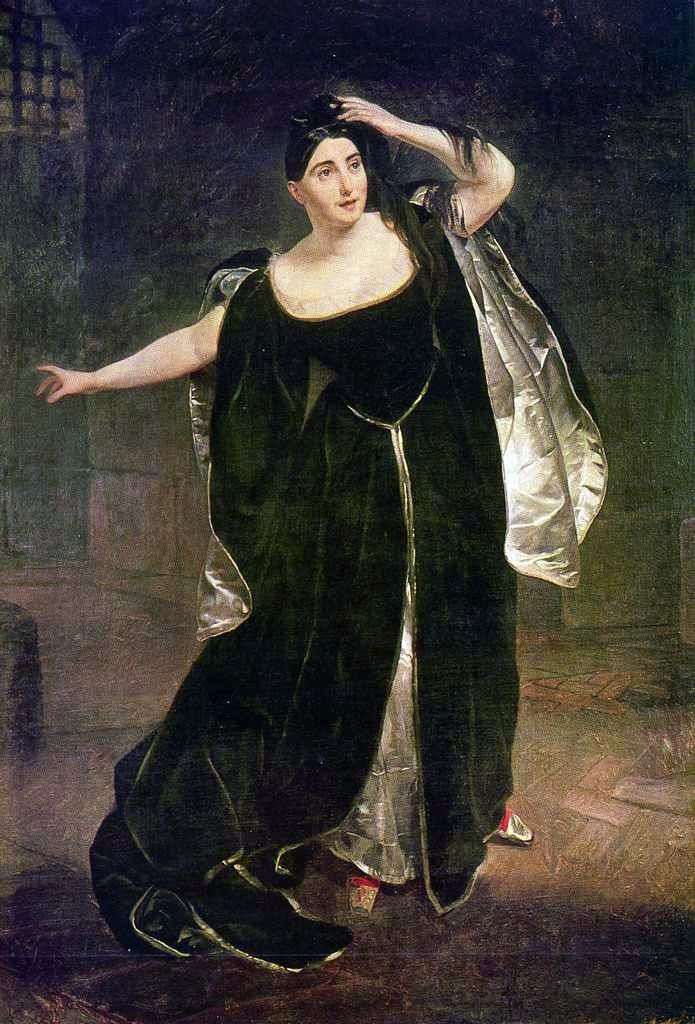
Donizetti's Lucia contains the archetype. The Act III mad scene lasts over twenty minutes: Lucia enters blood-spattered, having killed her husband, and loses herself in a sustained vocal and psychological disintegration. The famous flute dialogue — the duet between voice and instrument that sounds like two people speaking from different worlds — was Donizetti's invention and remains unequaled.
Ophelia (Thomas's Hamlet)
Another water-death, another wedding night, another descent through melody into something beyond melody. Ambroise Thomas's 1868 opera is rarely performed today, but its mad scene — built around folk songs Ophelia half-remembers — is one of the form's masterpieces.
Lady Macbeth of the Mtsensk District
Shostakovich's opera (1934) ends not with madness but with something worse: Katerina's absolute clarity about what she has done and what she will do. The final scene by the Siberian river is the 20th century's most devastating operatic ending.