BalletPremiered 1841Libretto by Jules-Henri Vernoy de Saint-Georges
Currently playing worldwide
1 production across 1 country
Synopsis
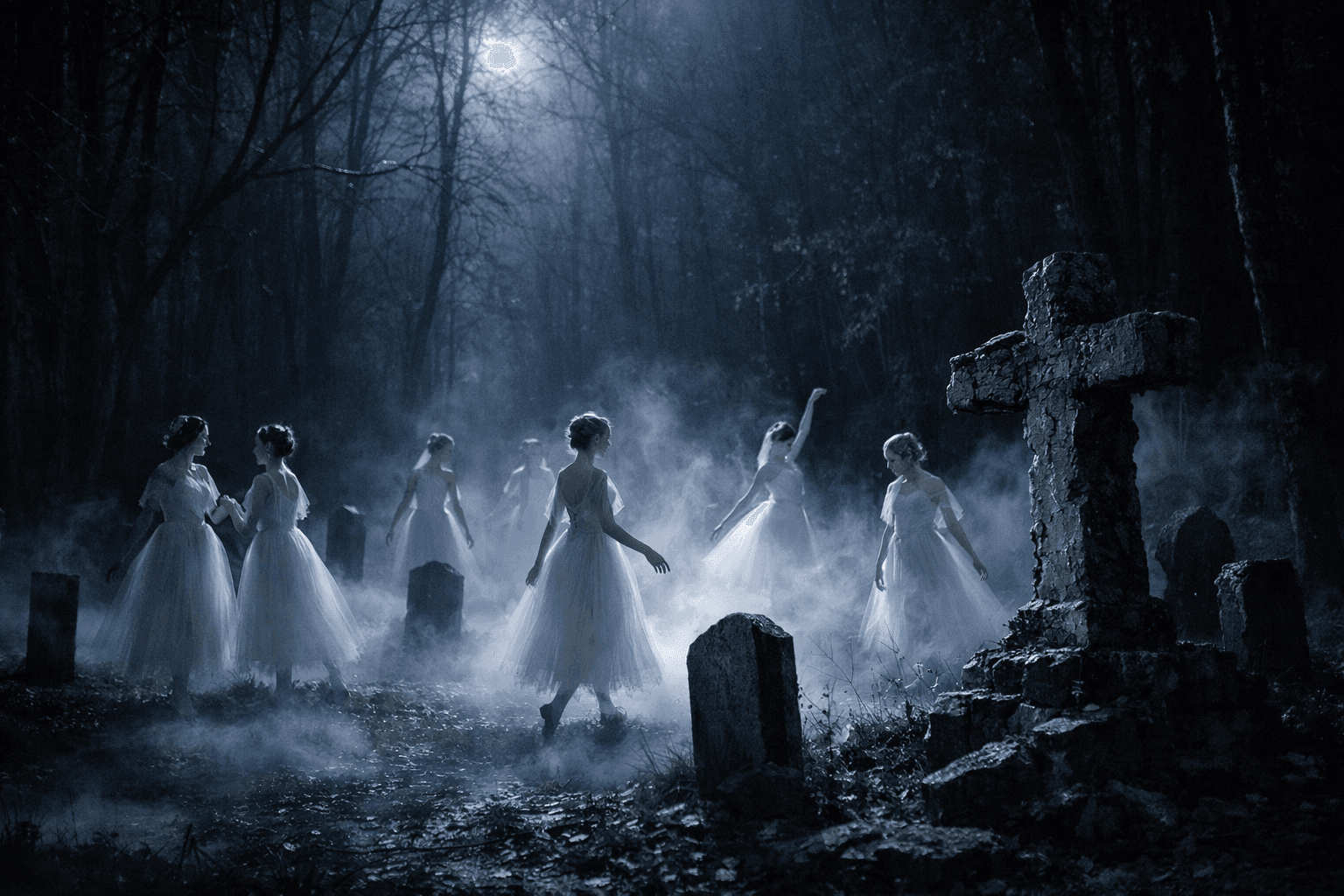
Giselle stands as one of ballet's most enchanting masterpieces, a work that seamlessly blends the ethereal with the earthly, the romantic with the tragic. Composed by Adolphe Adam, this two-act ballet tells the story of a young peasant girl whose heart breaks under circumstances of betrayal and deception. In the first act, Giselle inhabits a sun-dappled village world where love blooms with apparent innocence—until a devastating truth shatters her world entirely. The second act transports us into a moonlit realm of supernatural beauty, where Giselle exists as a spirit among the Wilis, those ghostly maidens who died for love. Here, in a landscape of mist and magic, the central conflict deepens, exploring themes of forgiveness, sacrifice, and redemption. Adam's score perfectly captures these contrasting worlds: the bucolic charm and folk warmth of Act One give way to the haunting, otherworldly melodies of Act Two. Giselle demands from its lead dancer an extraordinary range—youthful exuberance and innocent joy followed by profound emotional devastation, then the disembodied grace and ethereal weightlessness of the supernatural. This ballet remains a cornerstone of the classical repertoire, a work that continues to move audiences with its exploration of love's transformative and destructive power.
Signature Interpreters
Performers most associated with this work.